





It’s a sin to kill a mockingbird. So said Atticus Finch in the book To Kill a Mockingbird by Harper Lee.
Perhaps that’s why I felt the presence of something large yesterday when a mockingbird greeted me with fussy curiosity in Monroeville, Alabama.
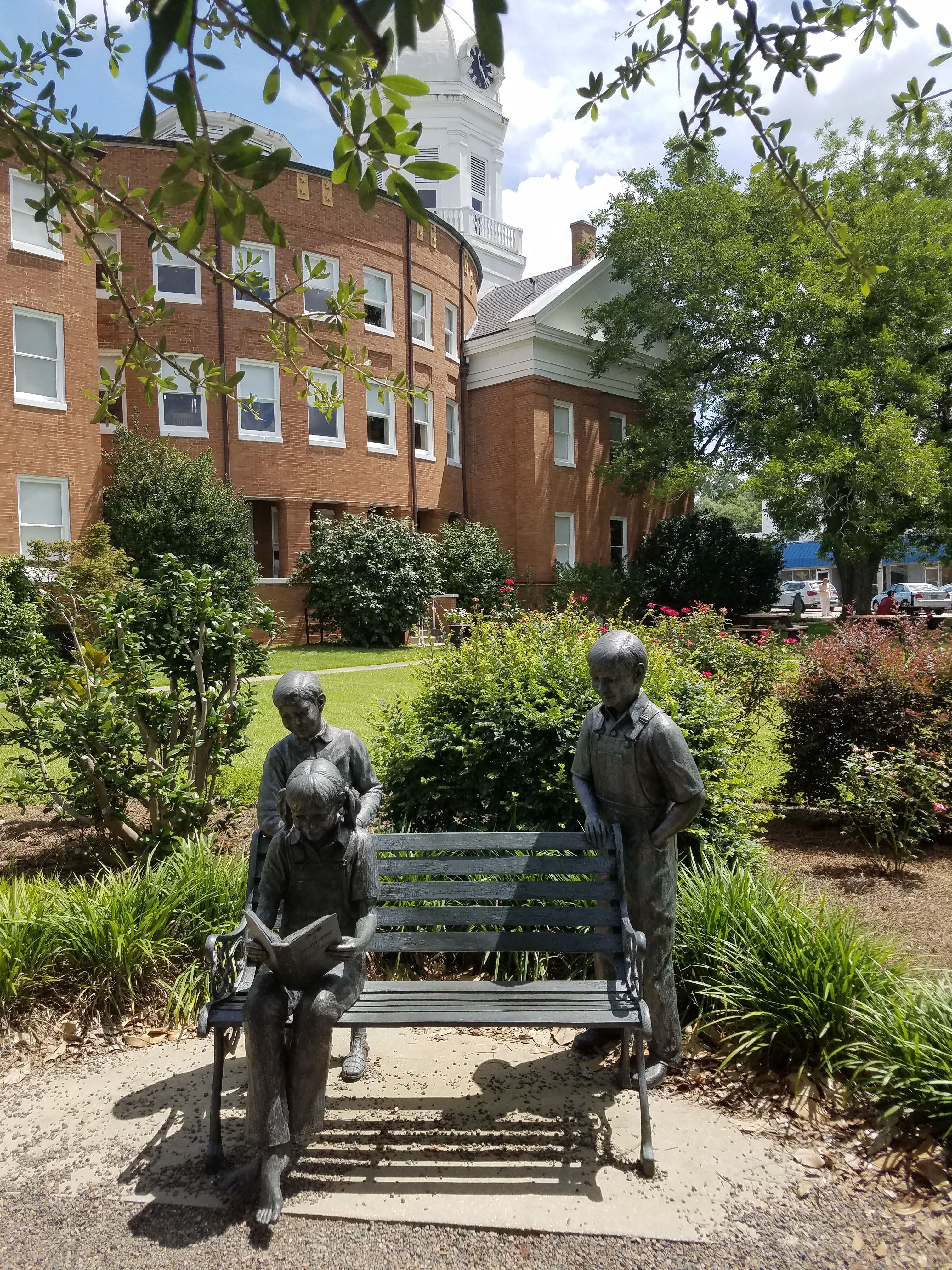
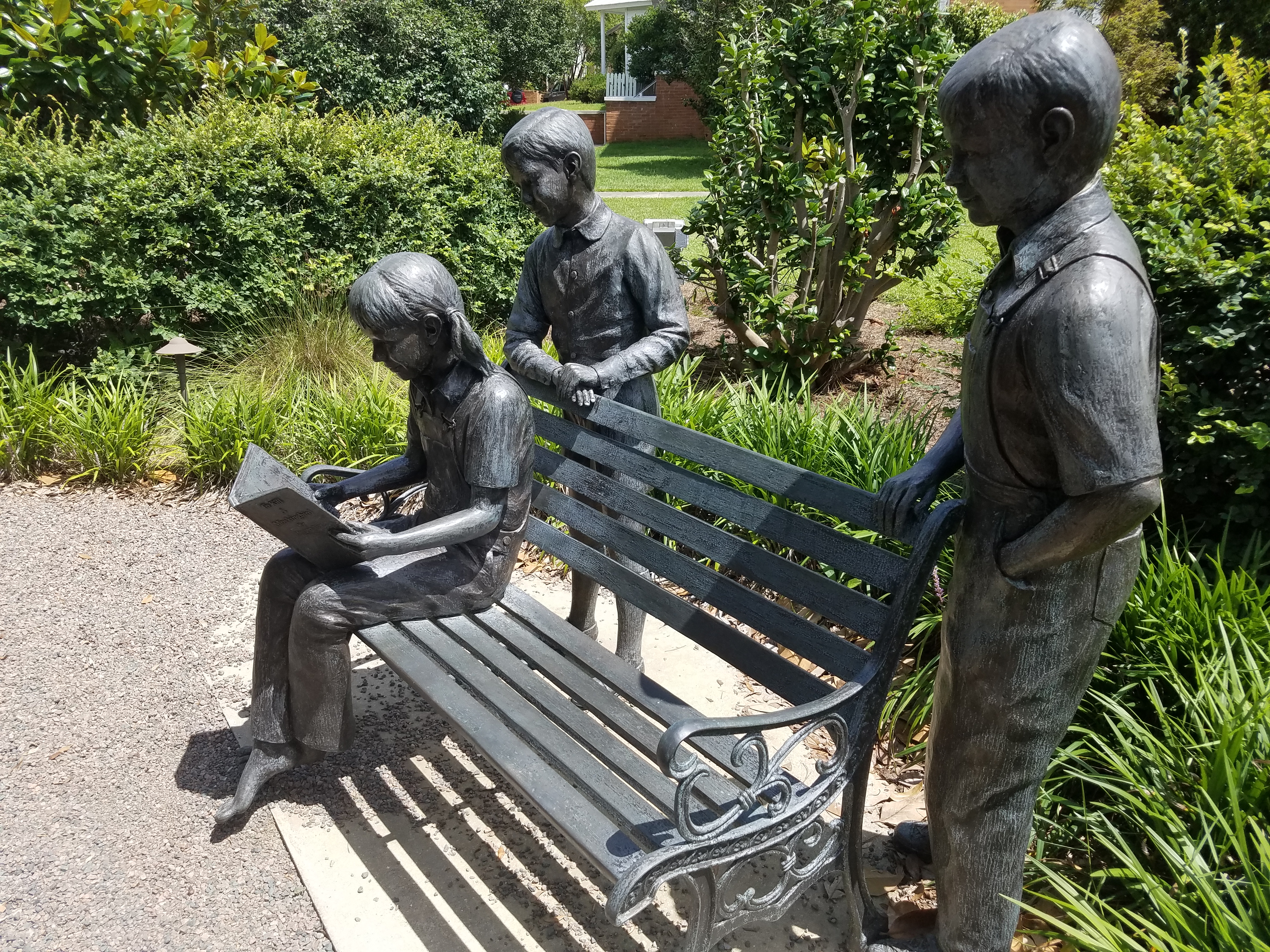
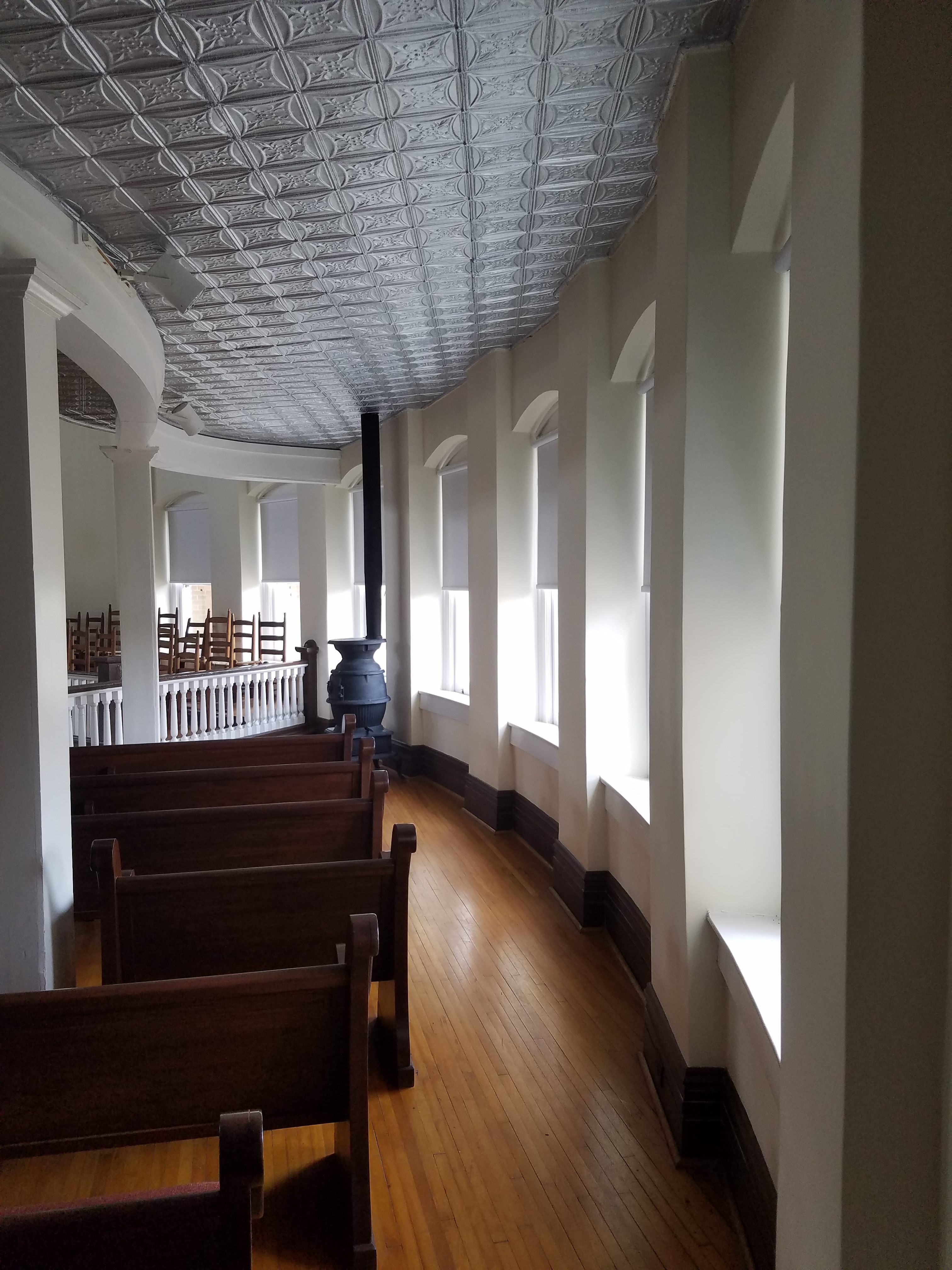
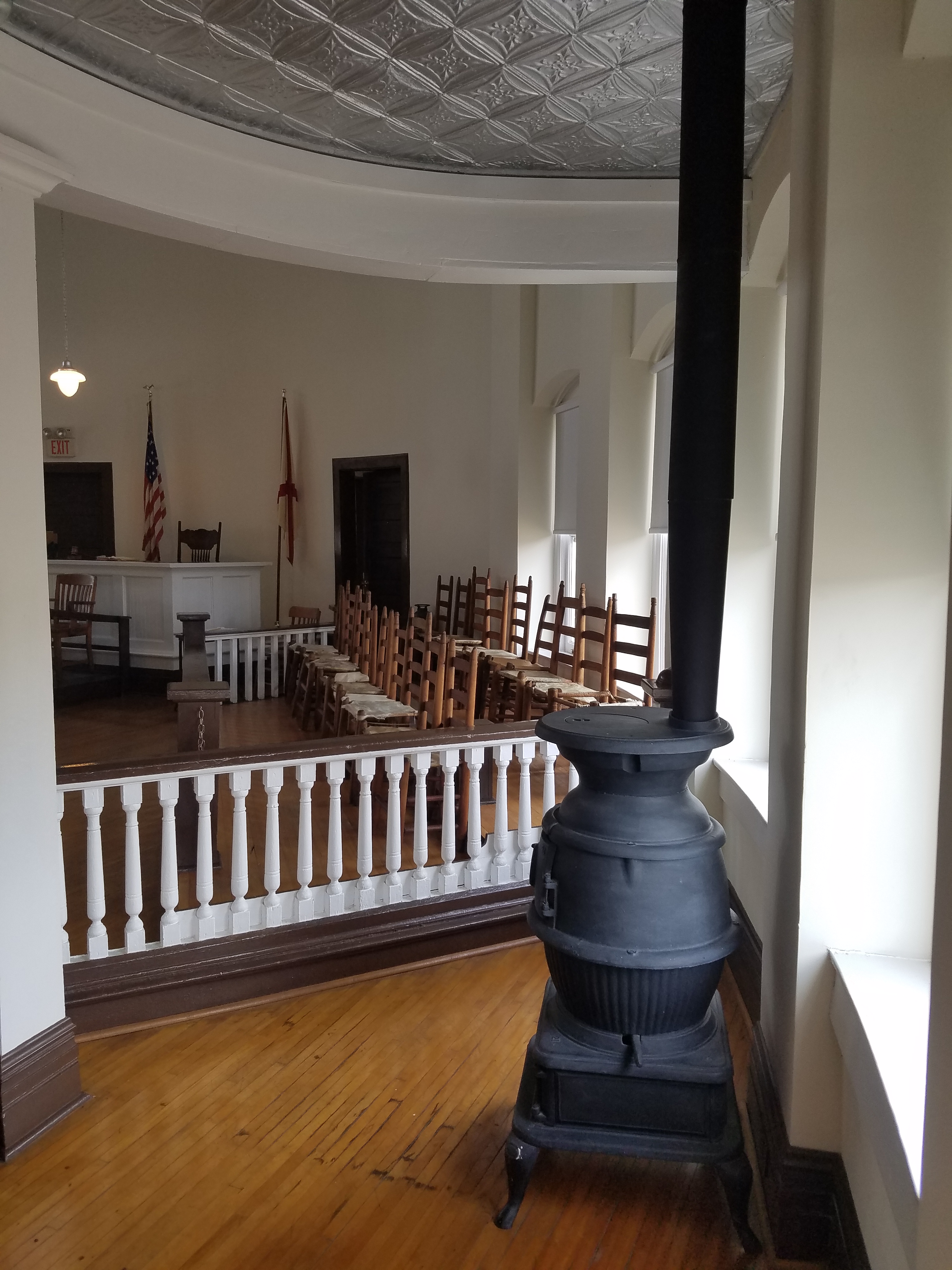
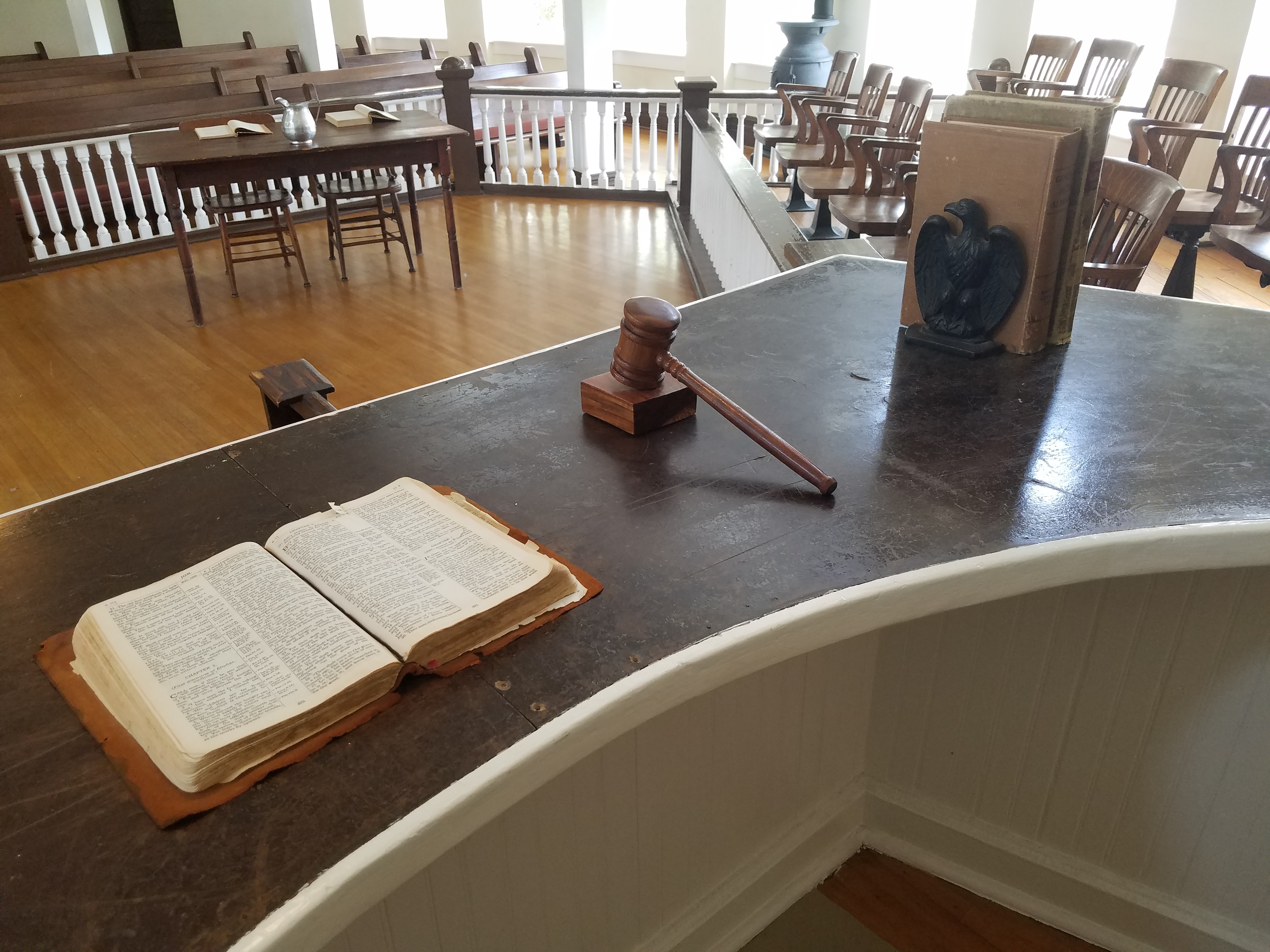
I had taken time after a family funeral in nearby Brewton to visit the old Monroe County Courthouse that inspired some of the novel’s most moving scenes. Hollywood used it as a model for the Gregory Peck movie released on Christmas Day 1962.
There in arching crepe myrtles, the bird danced from limb to limb as it watched me wander all the way around the building before I finally found the front door.
‘Silly ape,’ it seemed to laugh in the mockingbird tongue. ‘The entrance was right in front of your car. You walked right past it.’
I laughed back. “Silly bird,” I said as people stopped to stare at an old man talking to a mockingbird. “I was following you. Here into the crepe myrtles. I was seeing where you might take me.”
The bird squawked and fussed a while longer before it paused and finally began its song. In an instant, the courthouse lawn filled with its sweet mimicking of blackbirds, orioles, and jays.
I listened to its little opera. And I listened still more, transfixed in the summer heat. The first dew of tears welled in my eyes. Who would kill a mockingbird?
“Mockingbirds don’t do one thing except make music for us to enjoy,” said one of the characters in the novel. “They don’t eat up people’s gardens, don’t nest in corn cribs, they don’t do one thing but sing their hearts out for us. That’s why it’s a sin to kill a mockingbird.”
A sin. An indecent thing. And a symbol.
When I watched the movie with my parents in early 1963 at Pensacola’s Saenger Theater, I understood enough to know the mockingbird stood for something else. I did not have to look far to see what it was.
Pensacola was still segregated in 1963. Whites sat only in the fronts of buses, and blacks sat only in the backs. But a black woman tending a white child could sit in the front. This I knew. Because I had seen it with my own eyes one day when our maid took me on the bus to do her weekly shopping. She proudly sat in the front with me. And she let me ring the bell as a reward. — The bell that stopped the bus right smack in front of our destination.
Even at the Saenger, the symbol of the mockingbird hovered all around in ways I did not fully understand. Not then, in 1963.
We had walked past the Colored Entrance at the theater building’s side as we made our way to the ticket box on Palafox Street that night. There were African-American people standing in line up a flight of metal stairs leading to a plain undecorated door on the second floor where they bought tickets and went inside.
Why?
“Because,” my father said. My parents felt it pointless to explain to a child not quite seven.
Once we found seats, I stared around. Then I spotted the balcony. The balcony! Oh my God!
Castles had balconies. I knew this from watching Walt Disney’s Wonderful World. And I had always wanted to wave down upon adoring subjects. Now was my chance. It was plain to anyone. Plain as the nose on my face. The balcony had the best seats in the house.
So I tugged my mother’s sleeve and demanded that we ascend immediately.
No, no. It was not possible, she explained. Because I was not black.
What? This did not sit well. Why was I being punished for being white? Mother shushed and shushed. And I pouted and moaned until the movie started and its story pulled me away from thoughts of castles and happy villagers cheering upward.
Then we got to the scene. THE scene. The one in the courthouse, while Atticus argued his case. Oh my God again!
My stomach bottomed to the floor, my mouth gaped as I saw the outrage there in front of my own eyes. Scout, Jem, and Dill were sitting in the balcony with the black folks. And they were white just like me. I turned immediately to my mother.
“But you said!” I screamed in the middle of the theater until people shushed, my father glowered, and my mother put her hand over my mouth to smother some sense back into my head.
My mouth was open still when I came back to the present day. There I was, standing on the courthouse lawn in Monroeville. Looking up at the mockingbird sing from its place high above in the crepe myrtles.
Fifty-six years. Fifty-six years had passed since that night. How much pain? How much pain and grief had spun out from mindless bigotry? Fifty-six years and it had not ended yet. It had not stopped. The hatred, the blood, the chanting in the streets had not stopped.
Tears now streamed down my face as I listened to the mockingbird sing from its tree outside the courthouse. I had to stop a moment, let myself breathe, and dry my eyes before I pulled open the courthouse door to go inside.
 Robert Craig Waters
Robert, your talent just astounds me! Thank YOU!
LikeLike