


Sometimes songs from decades ago capture memories of past events better than anything else. — Even when the lyrics have little connection with what actually happened at the time.
For me, the most memorable was Gordon Lightfoot‘s 1976 song, The Wreck of the Edmund Fitzgerald.
I first heard this song at one of the most pivotal times in my life — when I was driving the 1,363-mile trip from my home in Pensacola, Florida, to start attendance at Brown University in Providence, Rhode Island.
It was the end of childhood. — The transition to adulthood. — An enormous and deeply difficult break with the past. — But one that was absolutely necessary for me.
It is not hard to see the symbolism. In the fall of 1975, the iron ore freighter named the Edmund Fitzgerald sank on Lake Superior in hurricane-force winds that brought in an early winter. Gordon Lightfoot penned his song within months.
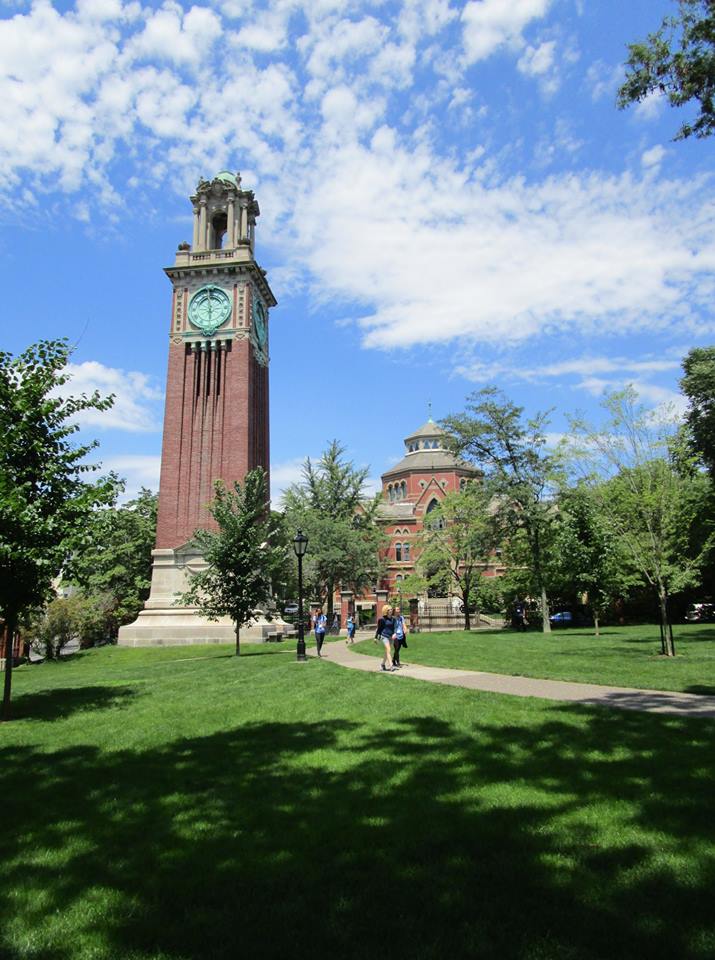
Less than a year later in 1976, I left my Deep South roots in Pensacola and — against the advice of friends and family — accepted an offer at the centuries-old Ivy League college in Rhode Island, Brown University.
It was an uncharacteristic move for me. I left behind the comfort of what I had known all my life. And I plunged headlong into a culture unknown and alien.
I deliberately went to a place as different as I could imagine — to a place in the North, in New England, away from the Moonlight-and-Magnolia tradition that embraced both sides of my family.
For me at least, the Moonlight and the Magnolia had ceased to give nurture. As I realized over time that I was gay, I found little else but coldness in the community into which I had been born. The Southern Baptist church in which I grew up bid me goodbye when I refused its request to enter conversion therapy.
Even intellect was seen as something subversive in a church community that increasingly proclaimed that rational thought must be subservient to doctrine steeped in racism and prejudice.
So I drove north.
North. To New England. — It was my chance to attend an internationally recognized school. — To see something different, to learn new things, and to become something more than my lot in life had first given me.
And it scared me to death. It is impossible to describe how hard, how wrenching a transition it was.
That was what the song came to symbolize to me.
Driving along the Interstates through Georgia and the Eastern Seaboard, I first heard Gordon Lightfoot‘s ballad on the car radio.
Its lyrics told of hard transitions. Of things forever lost. — And of the still-hoped-for reconciliation after a necessary time of mourning and learning.
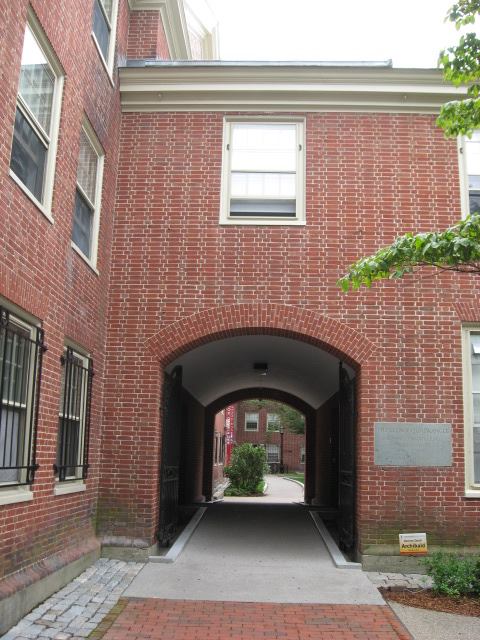
Whenever I hear the song today, I immediately think of the day in September 1976 when I first parked my car at my new dormitory on Benevolent Street at Brown University, at the place then called the West Quadrangle.
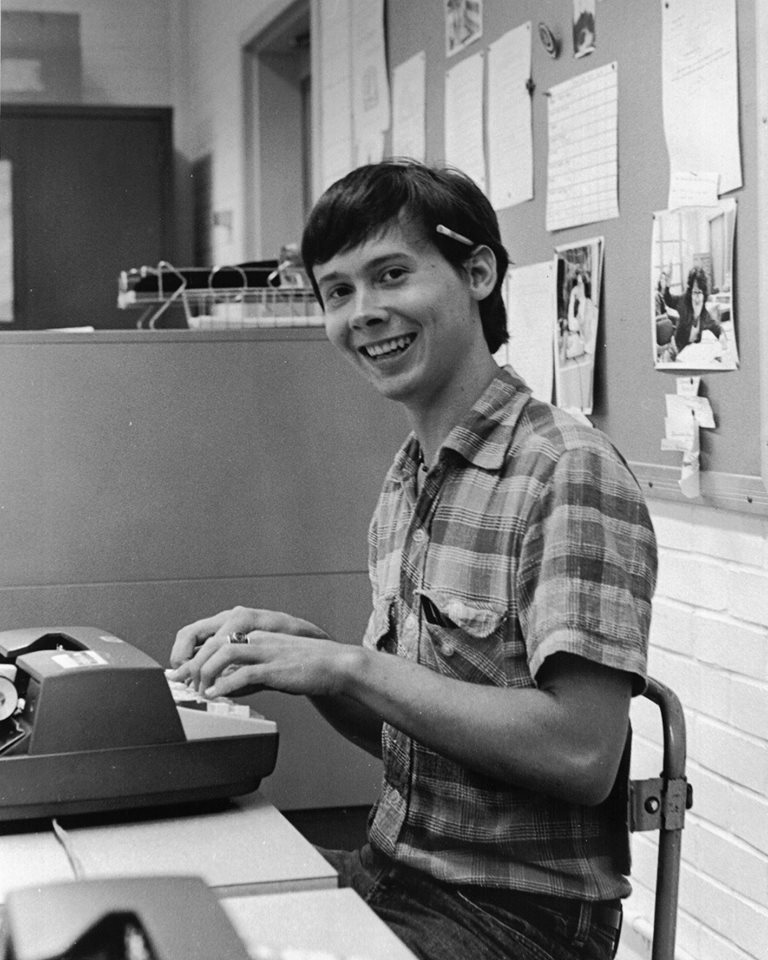
I was scared and green and so deeply unsure of myself. But I was equally sure that, at Brown, I had found a chance for a future that would include that dreamed-of reconciliation.
 Robert Craig Waters