









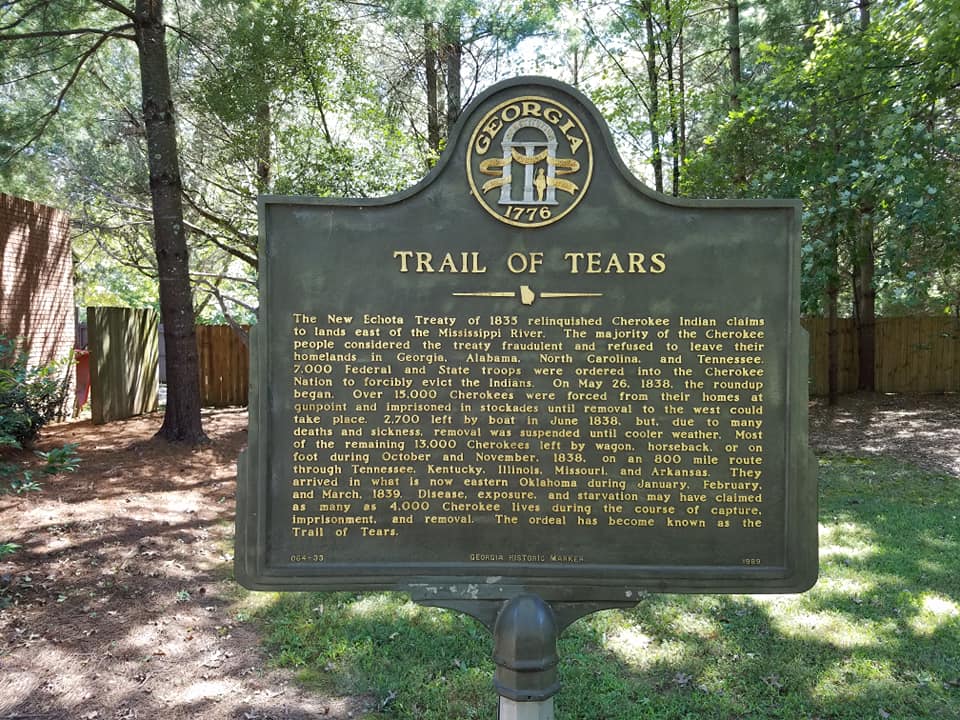


On May 26, 1838, federal troops moved swiftly over this North Georgia land near present-day Calhoun. They went out hunting Cherokees with orders to bring them to a concentration camp in the same hills that were the Cherokee’s ancestral lands.
About 4,000 Cherokees would die as the U.S. Army force-marched them a thousand miles to Oklahoma. It was the Trail of Tears, marked by the graves of those who could walk no more.
White men wanted the land, after all. And federal policy under President Andrew Jackson was that white men would get the land no matter how many Native Americans had to die.
The Cherokee had worked hard to prevent the loss of their homeland for many year beforehand. They first became alarmed after President Thomas Jefferson in 1802 promised Cherokee lands to white settlers.
More than any other native tribe, the Cherokee adopted European customs and governmental ideas. The only thing they insisted upon was maintaining their identity as a sovereign tribe already recognized in duly enacted treaties.
Cherokees had developed an alphabet to write down their language. They codified their laws, took up farming on homesteads, and placed their new national capitol here in North Georgia at New Echota.
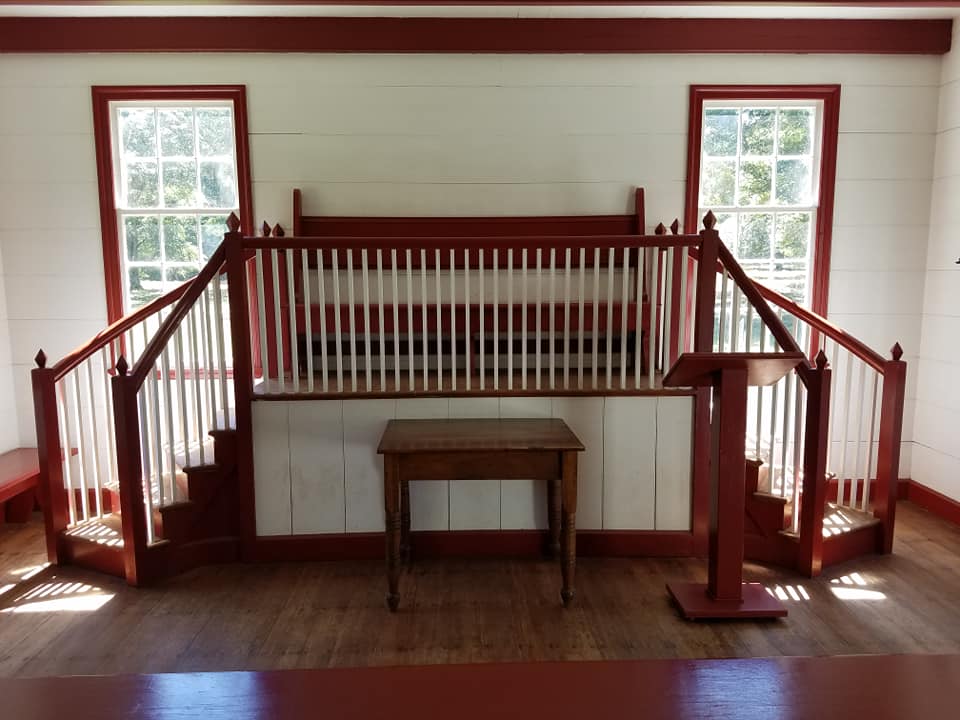
The city was laid out on a European grid with streets and city blocks, with life centered around a legislative counsel house, a supreme court, and an executive branch similar to what existed in Washington, D.C.
A newspaper called The Phoenix was opened to print news and books in both Cherokee and in English. The tribe hoped to show President Jackson and the American Congress that they were fully committed to be a settled and peaceful nation living within the constitutional system of the United States
But it was not enough.
The State of Georgia chafed at the idea of having a sovereign Indian tribe within its borders. And white men clamored ceaselessly for Cherokee land.
So federal troops marched in. About 17,000 Cherokee were snatched from their homes, from work in their fields, from tending their families. Mothers and their children were separated, sometimes forever.
The Trail of Tears began. To the Cherokee, one of the greatest shames of this forced removal was being separated from the graves of their ancestors.
Within decades, most traces of the Cherokee capital city were gone. The best houses were taken by whites and the rest burned or left to rot in the rains.
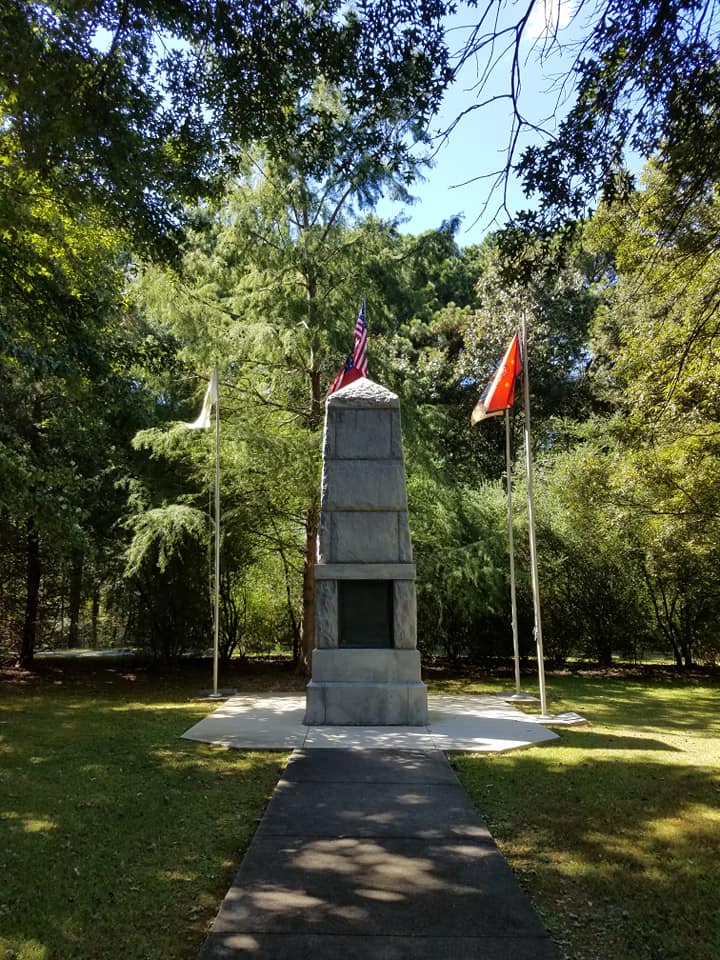
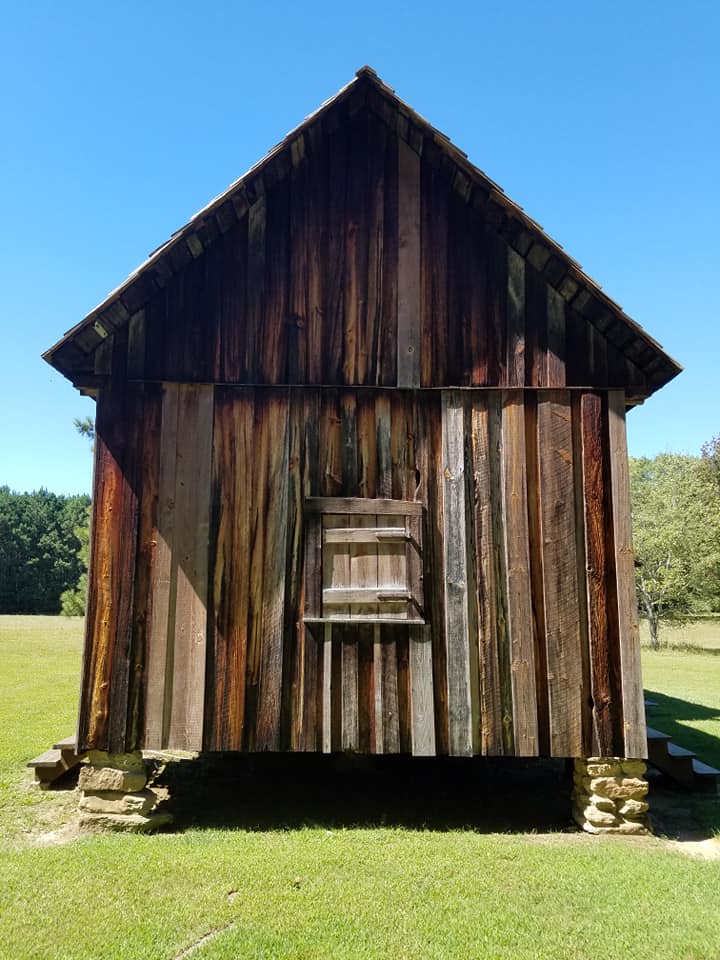
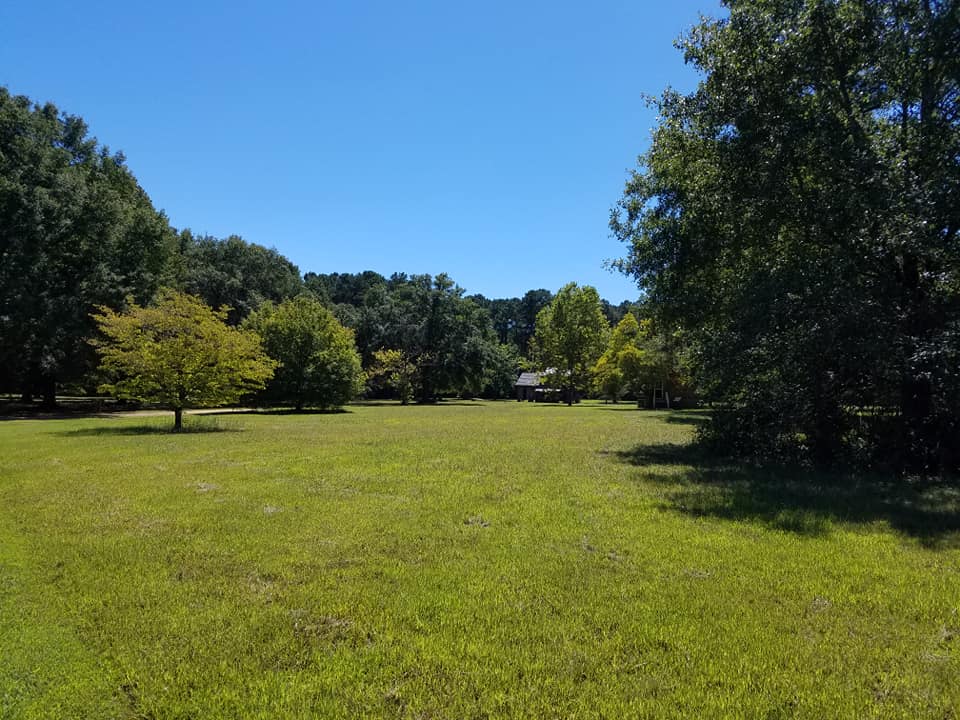
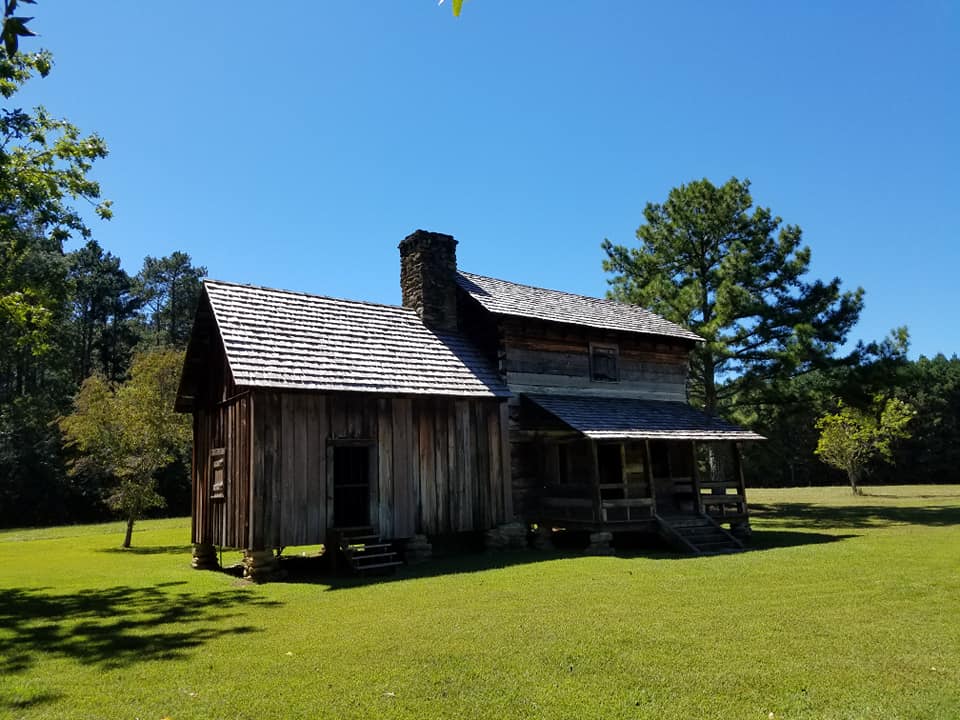
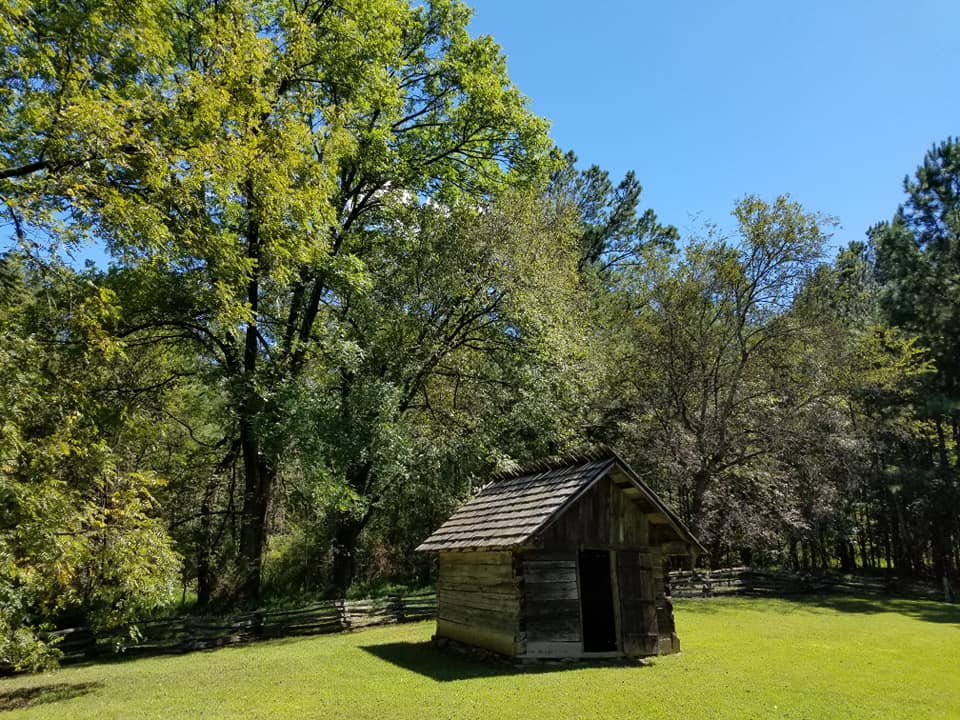
The recreated city of New Echota today is only a fragment of what once stood here when the Cherokee still lived where their ancestors rest.
 Robert Craig Waters