


I have the memory of an Asperger’s child. Very detailed. Full of color, and taste, and smell. As if it happened just a moment ago. Fresh in my mind.
Things that happened when I was four or five are vivid, clear to this day. Etched like art in permanent glass.
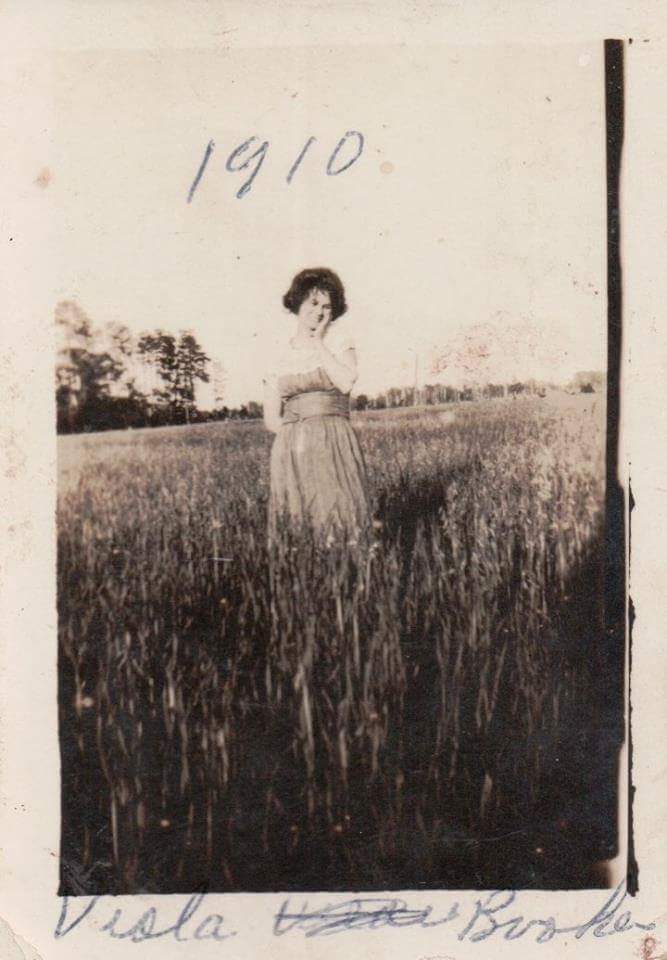
And I remember her. — Wee-Wee. Grandma Weaver.
My grandmother on my mother’s side. — Viola Booker Weaver, a remarkable woman in her day.
Her life was hard, and she was determined that her offspring would never, ever live like she did.
She is the biggest force behind my own education, though she only made it to the third grade. My law degree matches what she lacked — what she knew had made her life so hard.
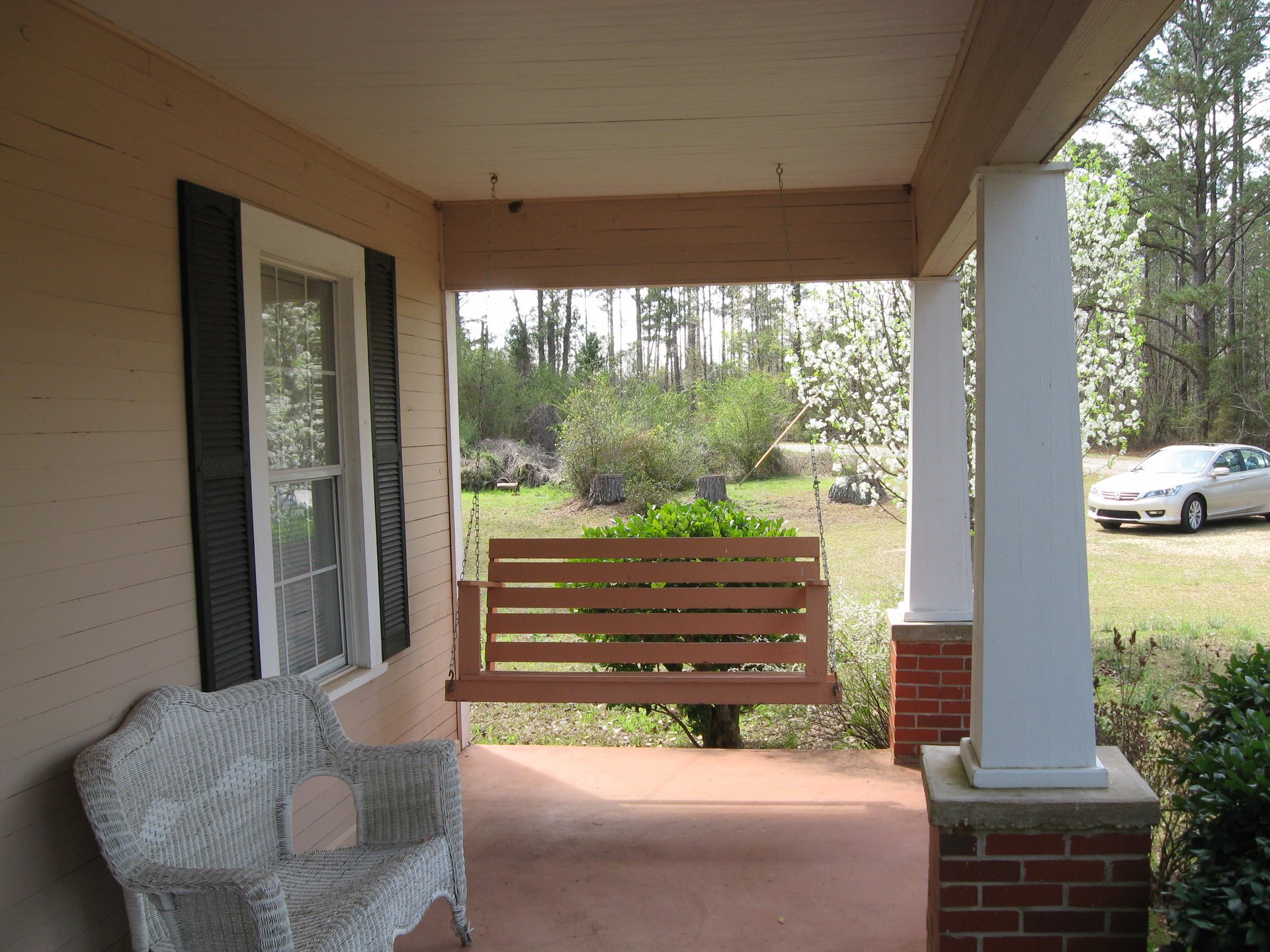
My first memory of her is simply this: My father Robert Leslie Waters was carrying me in his arms as he walked up onto the wooden porch at the house where Wee-Wee lived in rural Conecuh County, Alabama, in the late 1950s.
I was frightened of her at first.The place seemed so strange, unlike our mid-century home in Pensacola a hundred miles to the south.
Wee-Wee lived in a house without plumbing, heated solely by fireplaces, with a wood-burning stove that always smelled like oak fire. It was surrounded by a yard roamed by chickens that sometimes became dinner after an all too vivid plucking on her porch.
Primitive even by the standards of the 1950s.
One of my earliest memories is a failed breakfast. Wee-Wee began cooking eggs and bacon on her wood-burning stove. It was an unusually smoky morning in the kitchen. Something was wrong, though she would not admit it.
The stove’s flue suddenly collapsed, marking the final end of her stubborn rant that a wood-burning stove was the only true way of cooking a loving meal for a real family.
The men promptly installed a propane gas stove that she professed to hate for many, many years. Yes, she hated it, even as she fried her apple tarts in skillets on its blue-flamed eyes.
I feel the place still. That tiny little house in the woods.
I feel as if I have been sitting on her porch swing for decades now.
Swinging back and forth near the perfume of her old lagustrums. Swinging in the aura of her forceful will, her clear and indomitable decree that none of her flesh would ever suffer like she had.
I have felt the echoes long, long after she died in 1976. I felt it while I was away at Brown University — the Ivy League — getting the education she never had.
Long, long after she told me to get as much learning as I could.
Because no one can ever take that away from you, not like what had been taken away from her.
That’s what she said. And I believe her still.
 Robert Craig Waters