
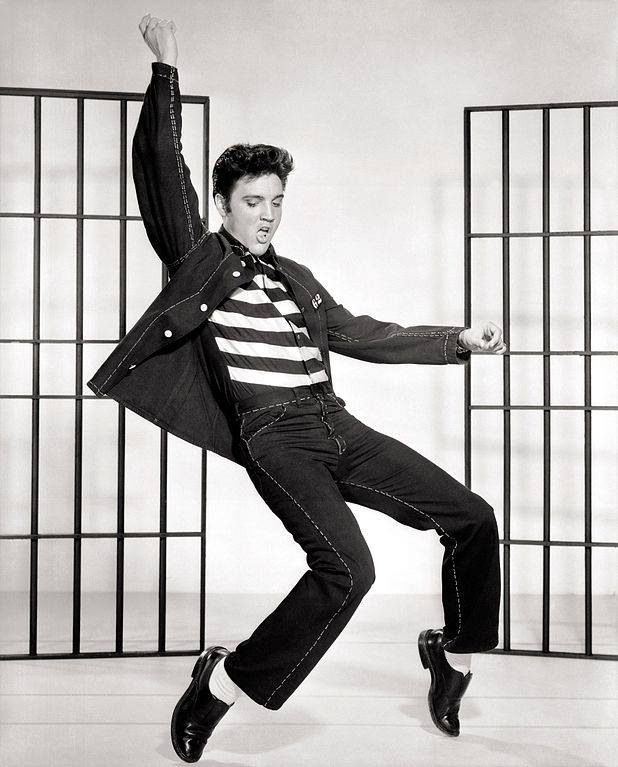


It was the day Elvis died.
Forty-one years ago today. It was my first adult encounter with mass grief over the loss of a cultural icon.
On August 16, 1977, I was a young summer intern at the Pensacola News Journal.
That day I was working the copy desk around midafternoon. It was a simple job running errands for editors and tending the machines that brought text and photos about news events into the newsroom on East Romana Street in downtown Pensacola.
Suddenly the telephone switchboard operator appeared at my computer terminal, her unplugged earphones dangling around her neck.
“I need your help,” she said. “Elvis Presley just died.”
Being young and inexperienced, I was mystified and asked what she meant. Why did she need help?
“I can’t handle all the phone calls coming into the board,” she said. “Can I send some of the calls to you here at the copy desk? All they’re really asking is if it’s true that Elvis passed away. Just tell them yes, it’s true.”
I said sure, I’d be glad to help out. At that early stage in my career, I was eager to ptich in — and to learn.
But I had no idea what would come next. None.
In just a moment calls started pouring into my office phone. It felt as if all of the nation’s anguish over the troubled 1970s was pouring out all at once, crystallized by the sudden death of the man at Graceland Mansion.
One woman sobbed like she had lost her own child when I confirmed that Elvis was gone. I just listened to her moan because I didn’t want to hang up on her.
A man with a country accent kept excusing himself for being so “broke up.” Then he asked in a quavering voice if it was true. Was Elvis really dead? But wasn’t he too young?
Call after call came to my desk, and my regular afternoon duties languished. It was like the entire city walked up and started crying on the shoulder of a 21-year-old newbie journalist working a summer job in college.
Soon I was trying to handle the calls as quickly as I could, answering the same question over and over, as politely as I could. Yes, he was dead. No, we didn’t know how it had happened. But the authorities had confirmed it was Elvis.
The sense of collective loss streaming over the telephone lines was infectious. I began to feel the same sense of grief myself, even though I had never been an Elvis fan.
Sorrow draped the day like a pall. It was like nothing I had experienced since childhood. In my memory, the only thing similar was the day President John F. Kennedy was assassinated.
And then the phone calls stopped just as suddenly as they had started.
I sat staring at my silent telephone, feeling spent and apprehensive. What had happened?
In another moment, the switchboard operator appeared behind my computer terminal again. Her eyes were red.
“Thanks,” she said. “But you’re off the hook now. There won’t be any more calls. Not for now. Go take a break. The whole switchboard just blew out.”
 Robert Craig Waters