

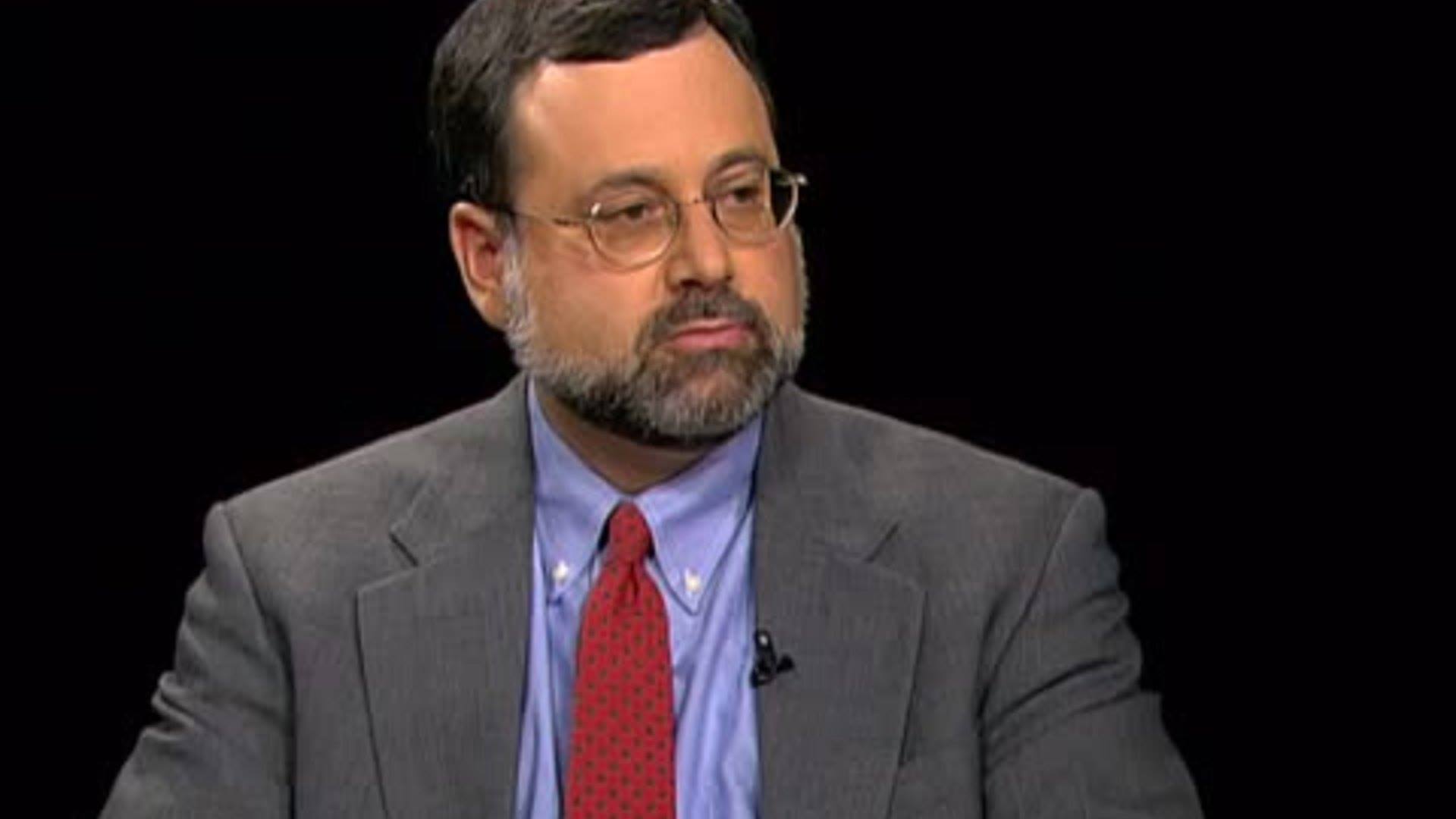


Few books in my lifetime have been more timely than David A. Kaplan‘s soon-to-be-released analysis of the U.S. Supreme Court titled “The Most Dangerous Branch.” Advance copies already are out to reviewers before the book’s September 4 publication date — just as all eyes are turning back toward the U.S. Supreme Court this week.
The retirement of Justice Anthony Kennedy has reminded everyone of a point largely lost in the recent hubbub over the First Lady’s choice of jackets and the shunning of publicists by restaurants.
And the point is this: The single most enduring consequence of the 2016 election is President Donald Trump’s ability to nudge the U.S. Supreme Court toward a more conservative agenda. We will live with Trump’s actions on this subject for decades to come, long after he has left the White House.
The underlying problem here is the larger issue Kaplan focuses on in his book. — The immense power the Court now wields.
How did it get so much power? And what happens if that power is turned to advance a restrictive agenda in the future?
In the abstract, the Court’s sweeping authority seems benign. Through judicial review, the five-member majority of Justices can decide what controversies are beyond the reach of voters in normal elections.
In other words, some legal questions affect fundamental constitutional rights that should be timeless and never-changing.
Our society to date has largely agreed on what those fundamental rights should be. For example, we do not let every election turn into a referendum on whether we will continue to have freedom of the press or due process in our courts.
But Kaplan’s book focuses on cases where the Court wandered into more divisive matters. For example, he looks at the arguments both for and against the Court’s 1973 decision in Roe v. Wade, which rendered abortion off-limits to most of the legislative process — and consequently energized a conservative reaction.
That reaction has grown over time to influence the Court itself, Kaplan suggests. And many people today might view that trend as worrisome now that Trump is poised to name yet another U.S. Supreme Court Justice.
Kaplan makes an argument that the first real glimpse of the conservative reaction in high-court decisions came into view in 2000. That was when Florida’s notorious botched presidential election forced state and federal courts to confront a Gordian’s Knot that twined legal and partisan issues into a dense wad.
In Bush v. Gore,the U.S. Supreme Court used a constitutional equal protection analysis to extract the question from its normal political process — Congress’s power to resolve a disputed presidential election. And the result was to install a Republican president even though it seemed likely that the political process itself would have produced the same result.
How much did this judicial process differ from what happened in Roe v. Wade? — That is a thought-provoking question Kaplan leaves his readers to ponder. It would be nettlesome indeed if the Court could seize hold of any issue merely by declaring it “constitutional.”
The bottom line of Kaplan’s book is as pressing as today’s headlines. — What happens if a Court under the sway of Trump appointees uses its sweeping powers to advance a partisan conservative agenda? It is a question that already has lit up social media since Kennedy announced his retirement.
Kaplan concludes his book with a look at what might be needed to make the U.S. Supreme Court a “less dangerous branch.” Fortunately he does offer hope that solutions are available to rein in the temptation of using judicial power toward partisan ends. And that hope, he argues, already exists within the Court as it is comprised today.
Finally, I would like to point out that Kaplan and his family are friends of mine. I first met him in the midst of the 2000 presidential disputes here in Tallahassee when he came to report on the controversy at the Florida Supreme Court, where I am the spokesman.
 Robert Craig Waters