

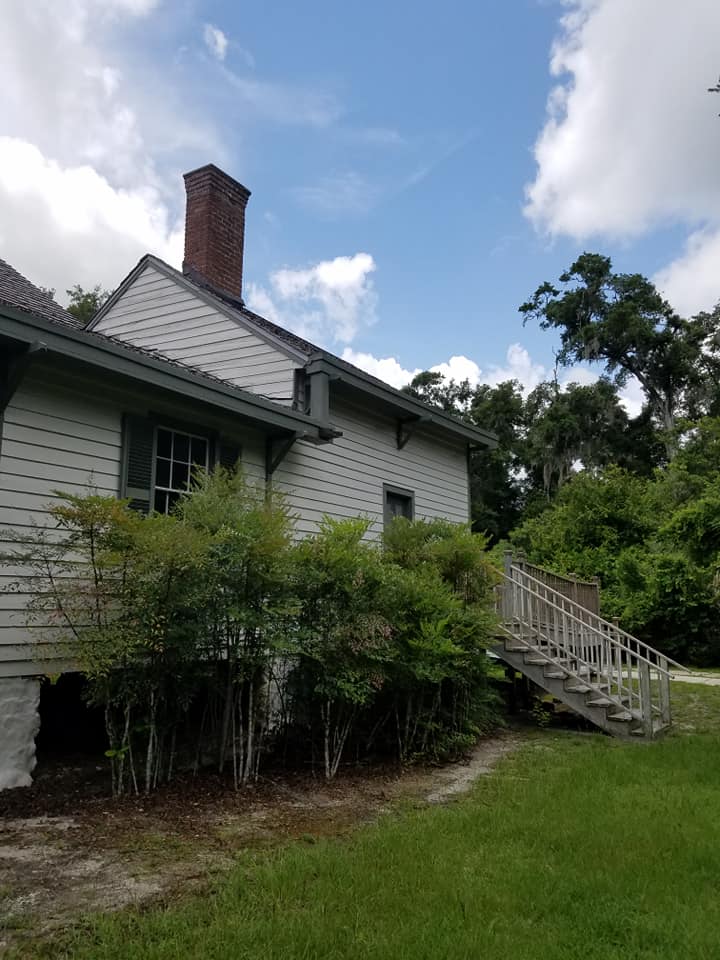


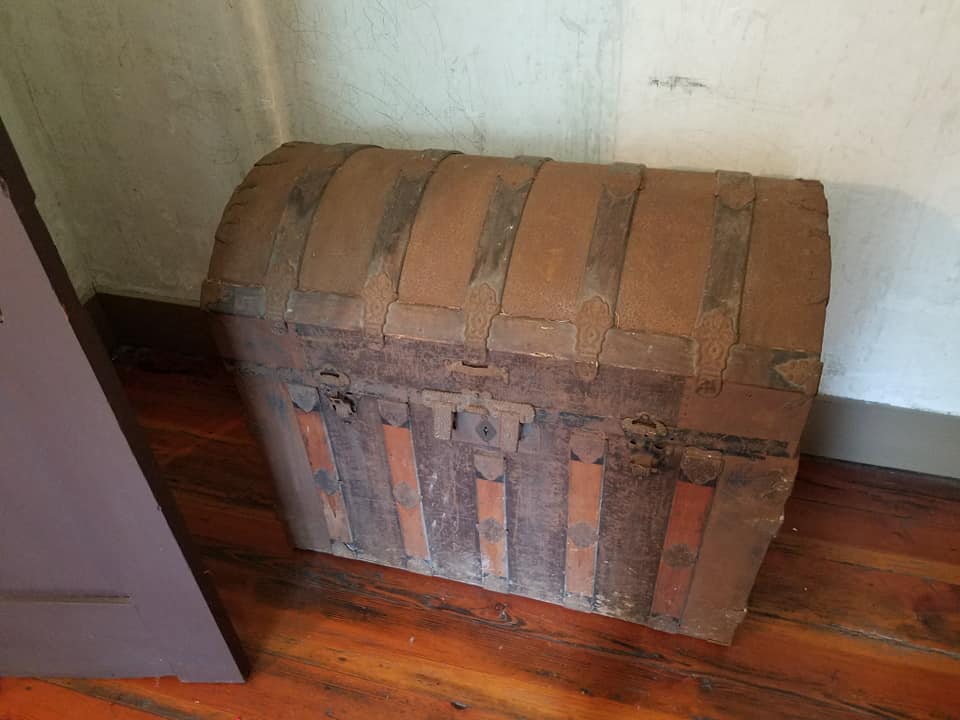
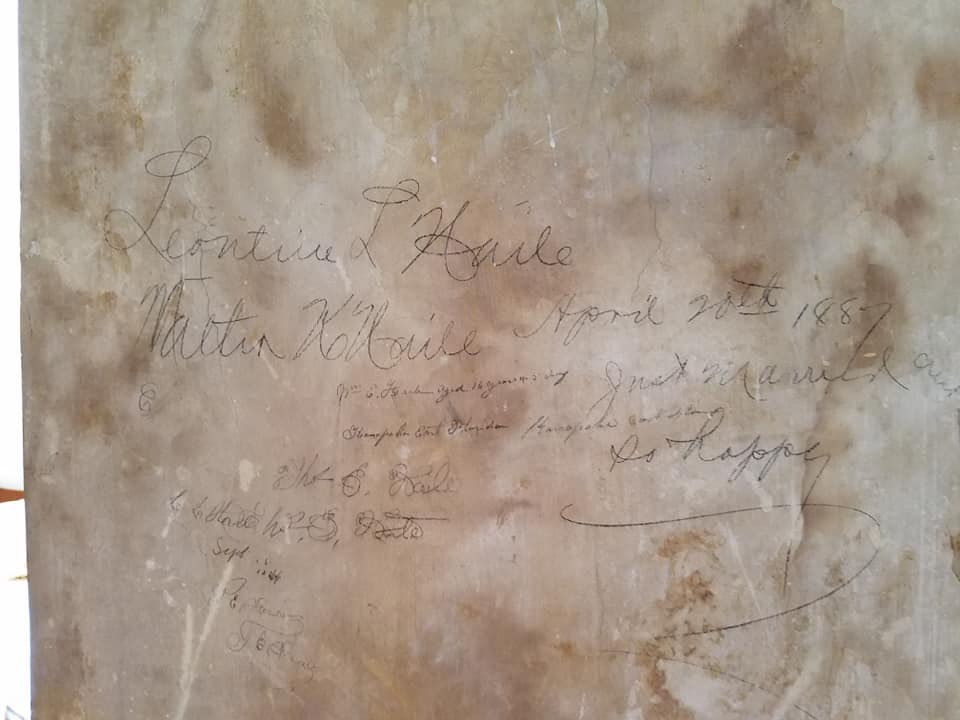
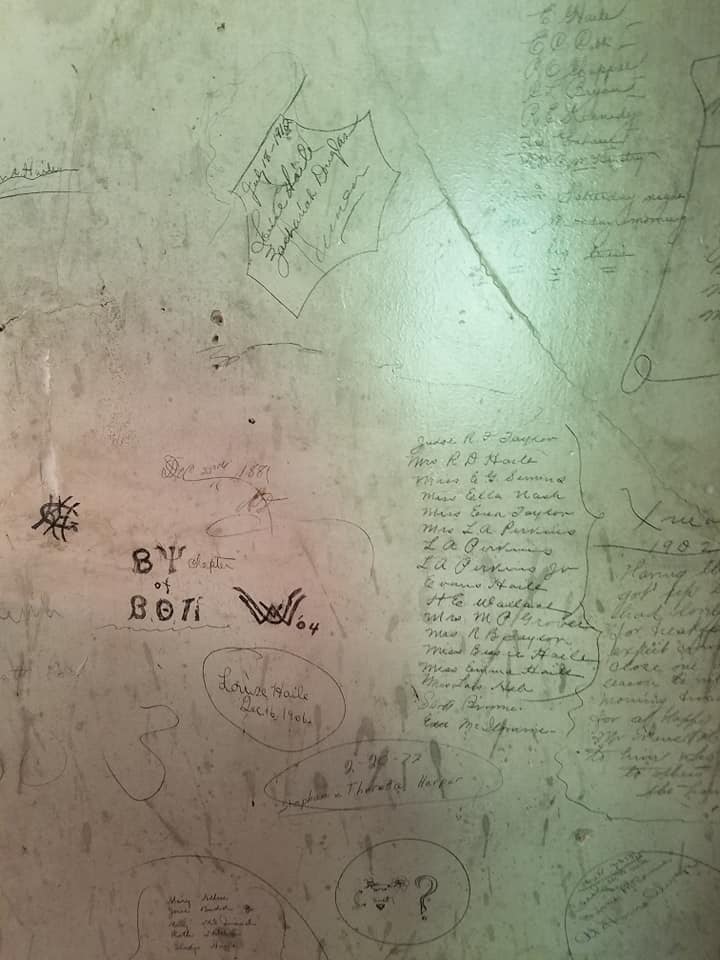
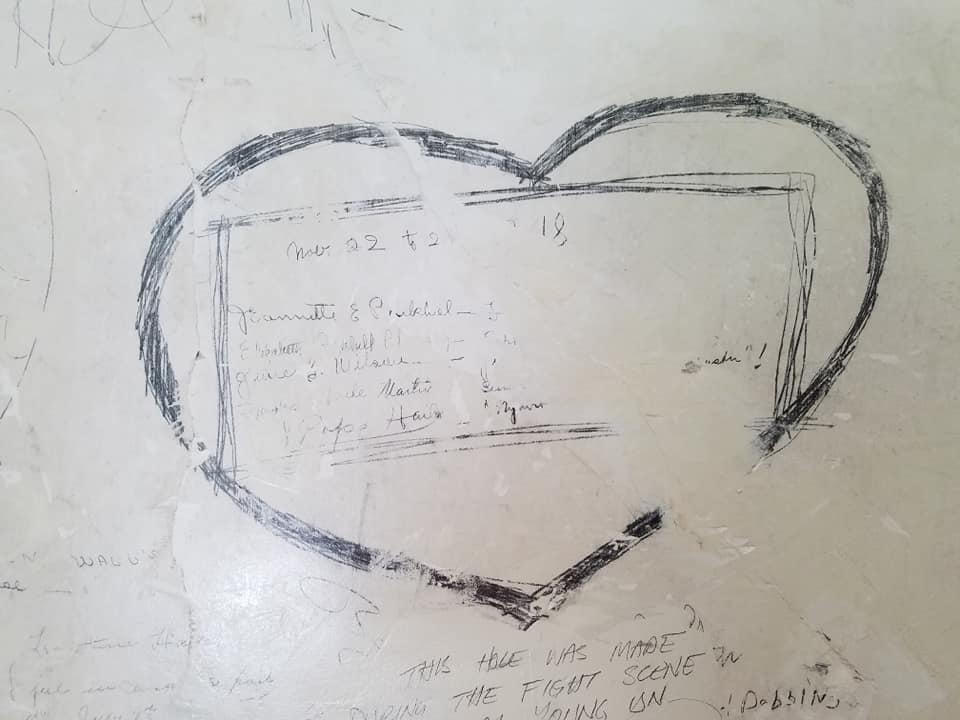

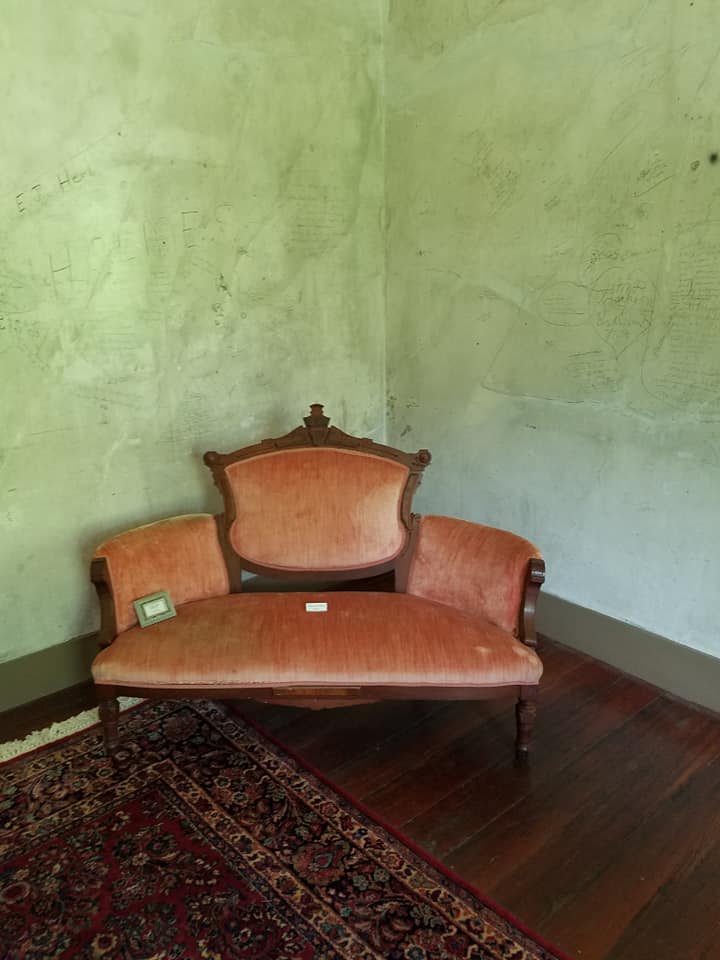

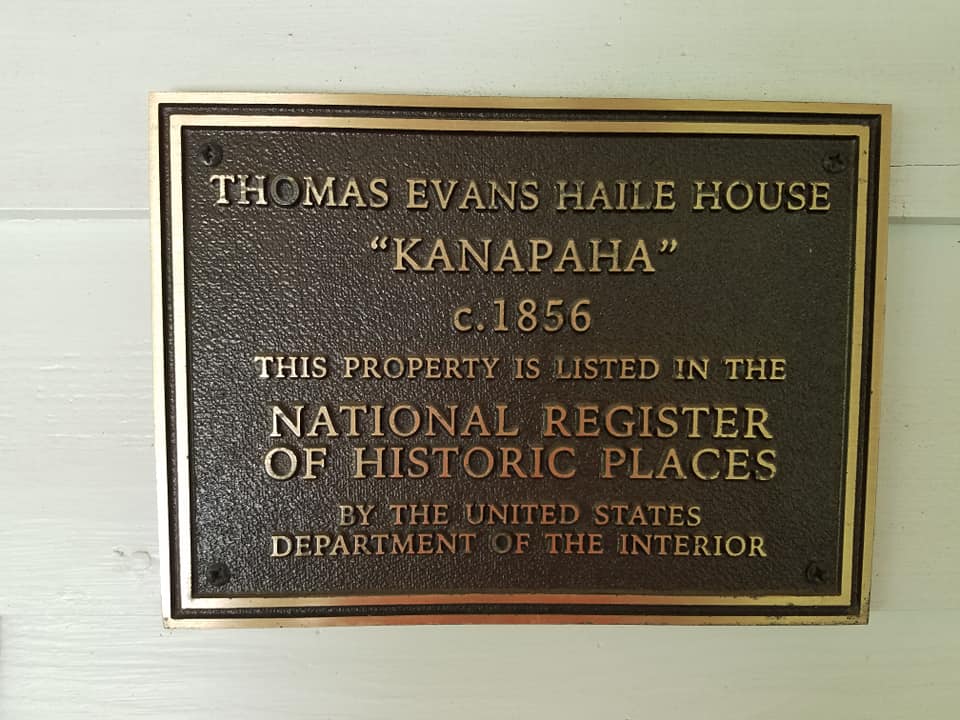
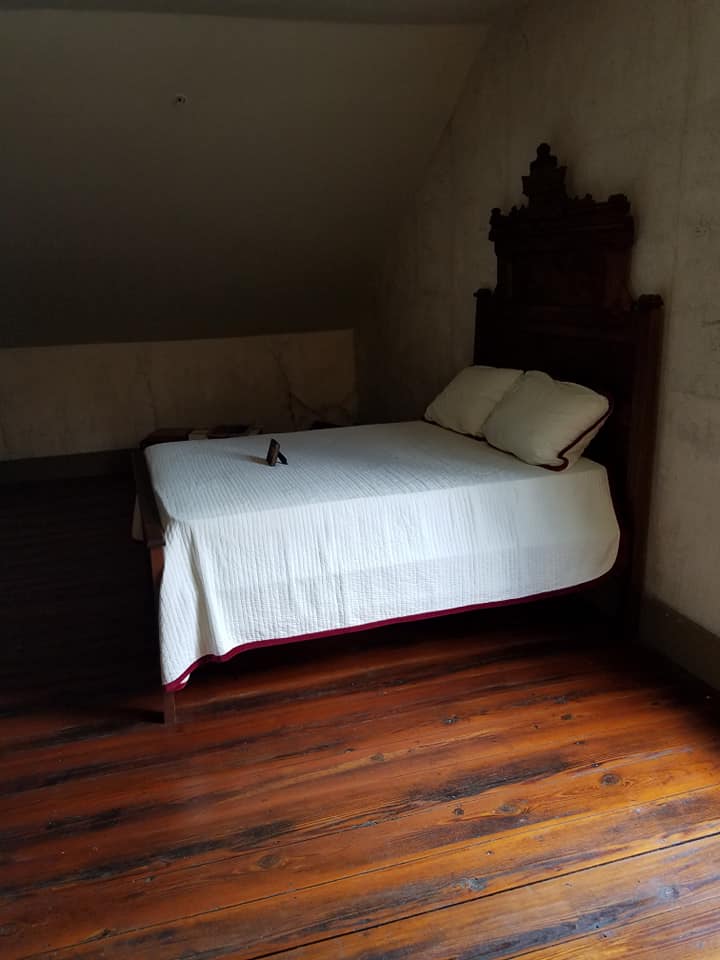

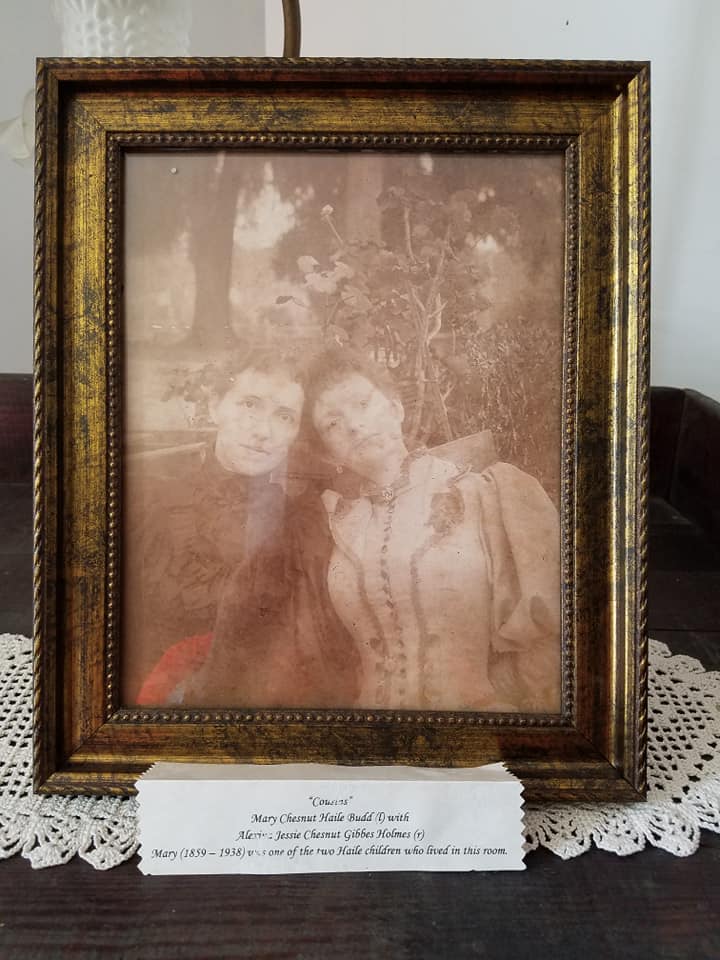
Haile Homestead near Gainesville is unusual because its long-dead people still talk. Not as haunts, but in penciled thoughts.
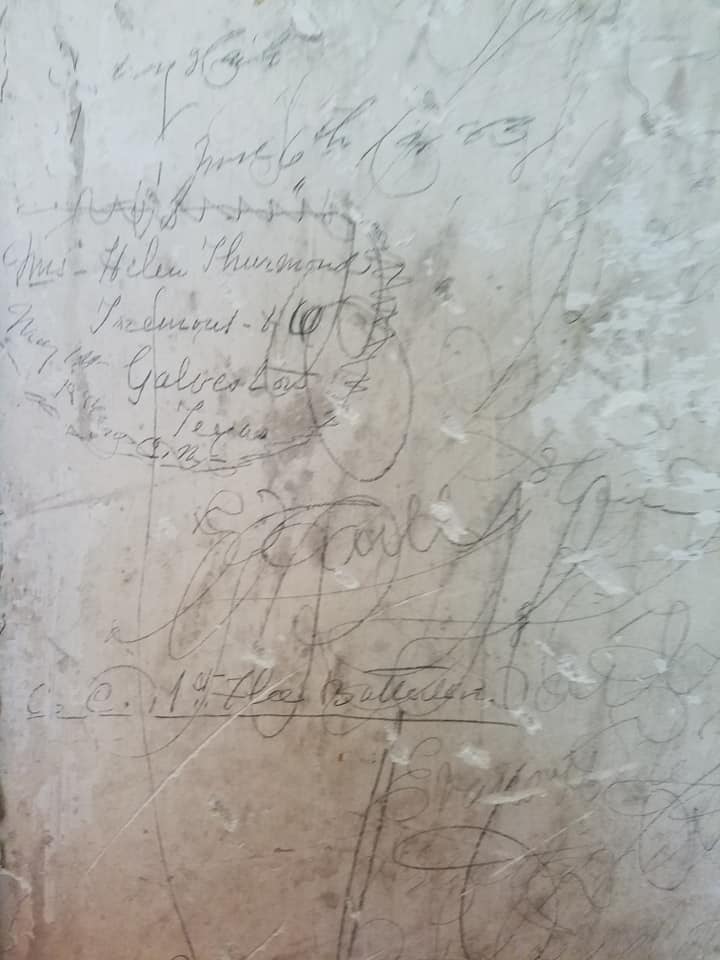
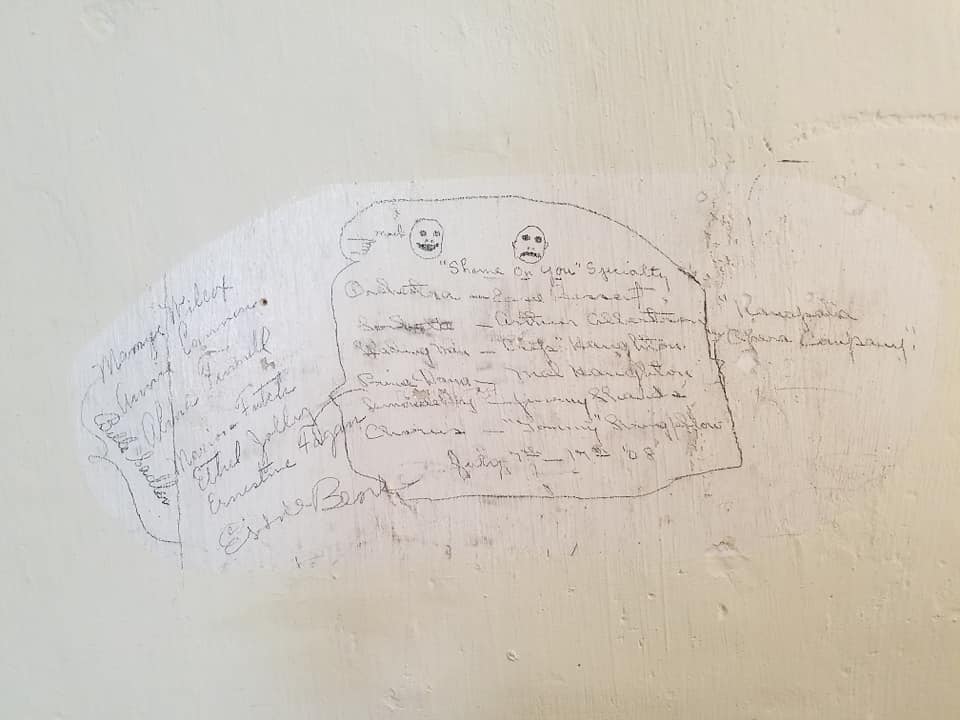
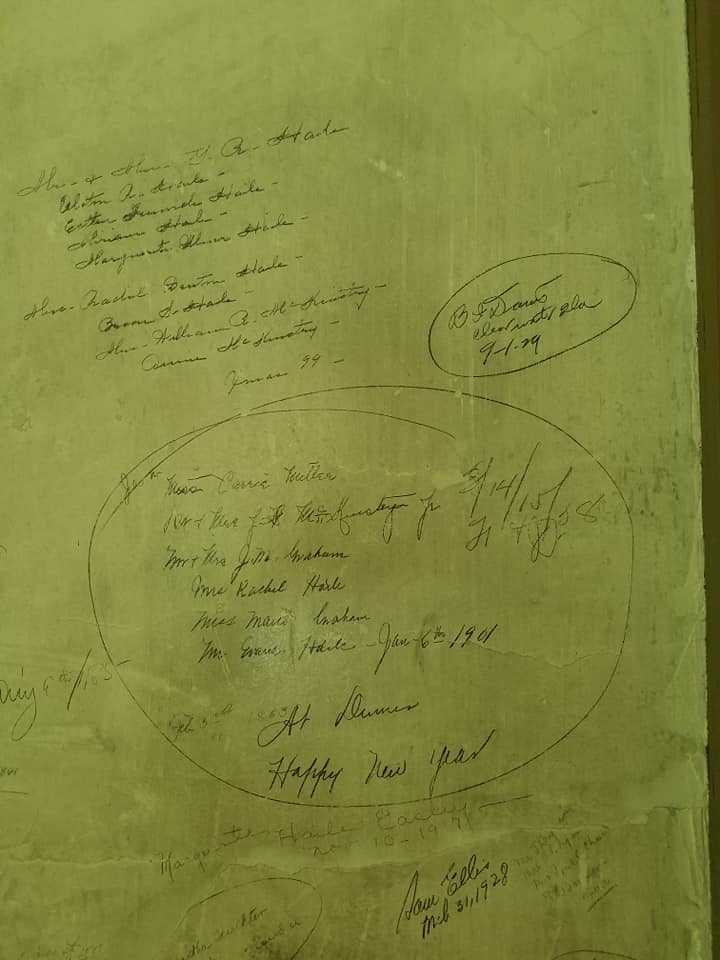
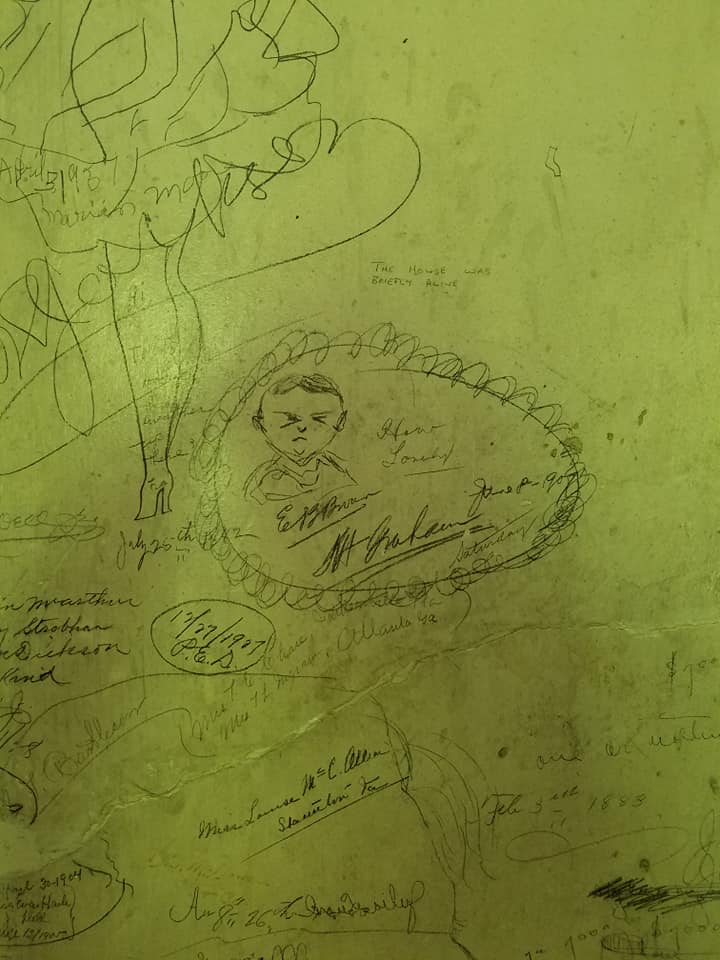
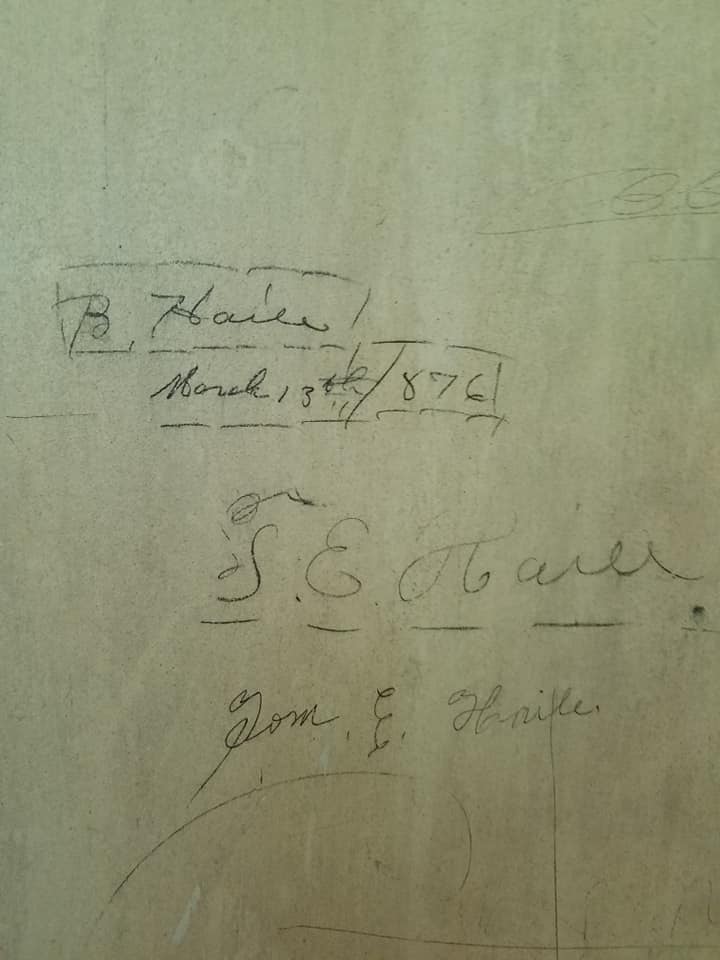
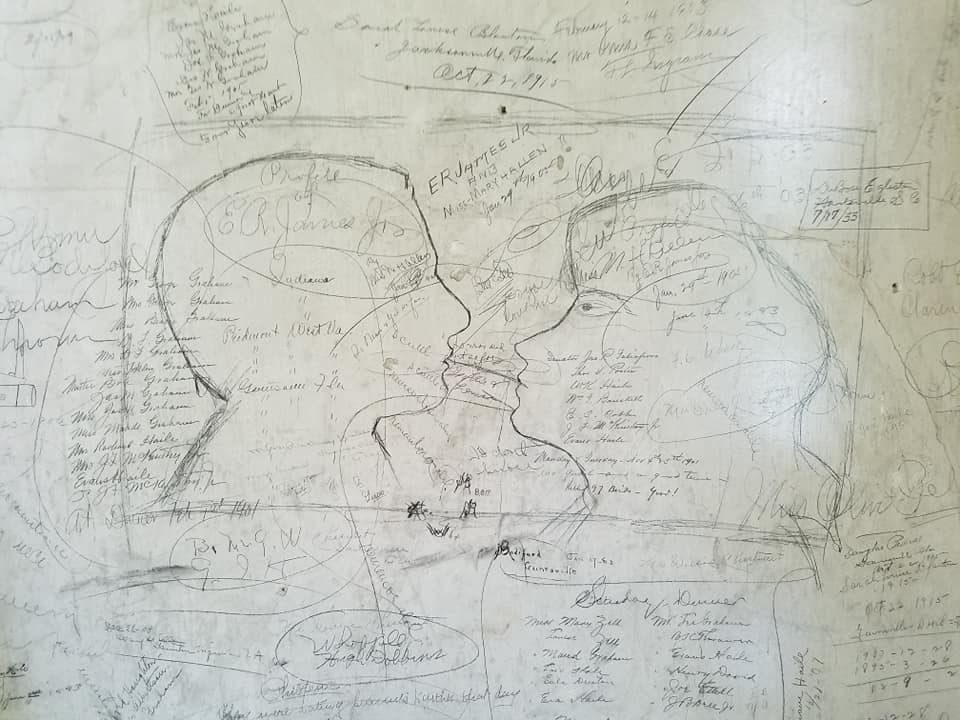
You see, for reasons lost to history the family wrote on the walls of the house — more than 12,000 words.
Their notes tell a story of hardship and isolation in a harsh agricultural life here in pioneer Florida.
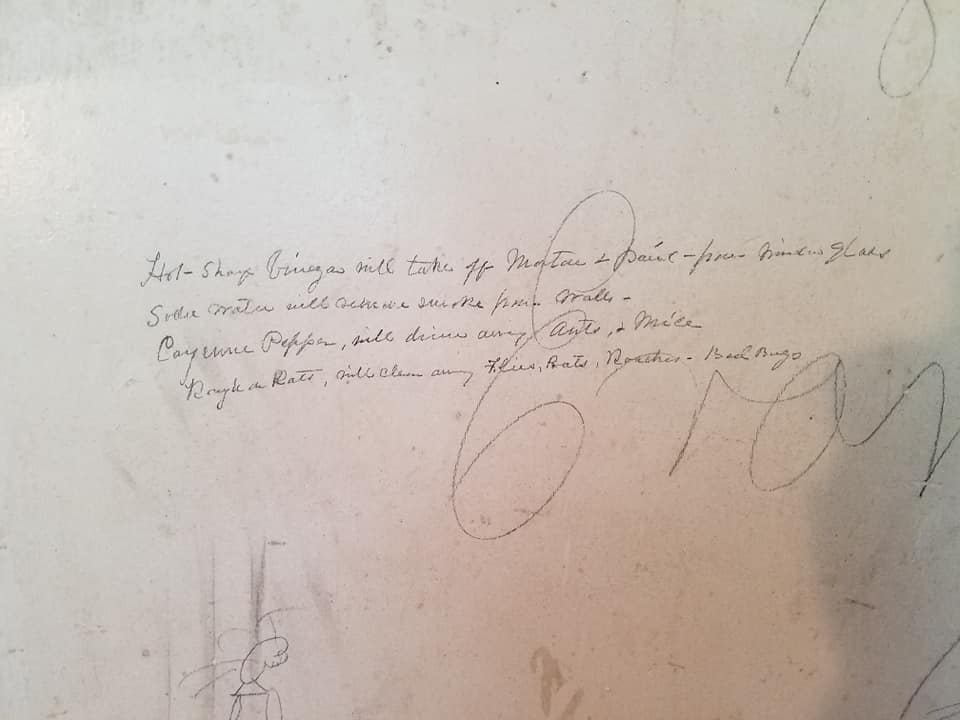
Some of the notations are simple recipes that speak to conditions in a subtropical wilderness. There is a recipe for poison to kill rats, roaches, and bed bugs, for instance. Another is a cure for dysentery. Still another is a remedy for root rot in crops.
One mixture details how to blend deadly arsenic with water and salt to make a field poison to be applied at 40 gallons to the acre. In this environment, it is impossible to imagine that members of the Haile family avoided dosing themselves with arsenic while blending and applying this concoction.
An isolated life? — Yes. There are thoughts on that subject, too. Gladys Imogene Haile wrote this defiant fragment: “Here’s to us. Any like us? Damn few. Thank God.”
Other notes on the walls speak to the family’s aspirations and fears. There are quotes from the poems of Lord Byron, John Milton, and Robert Burns, for example. “I can see nothing in nature to loathe,” one piece says, “save to be a link reluctant in a fleshy chain.”
Some jots tell a story of childhood foibles and fantasies. The oldest is by seven-year-old Benjamin Haile, who wrote only his name on the wall in 1859.
In 1884, another young Haile scribbled, “I will be very glad after school breaks off.” And in 1903, Evans Haile penned this yuletide message: “Peace on Earth, good will towards Evans Haile.”
There are entries on the walls about marriages along with passages from the Bible. Some are flirtatious ruminations by the young Haile girls, while others confront the pitfalls of love.
“If love be cold,” says one, “do not despair. There’s always flannel underwear.”
Several odd entries are inventories of linens and silverware that seem to coincide with parties and other festivities attended by outside guests. Perhaps the family thought visitors should know the valuables had all been counted?
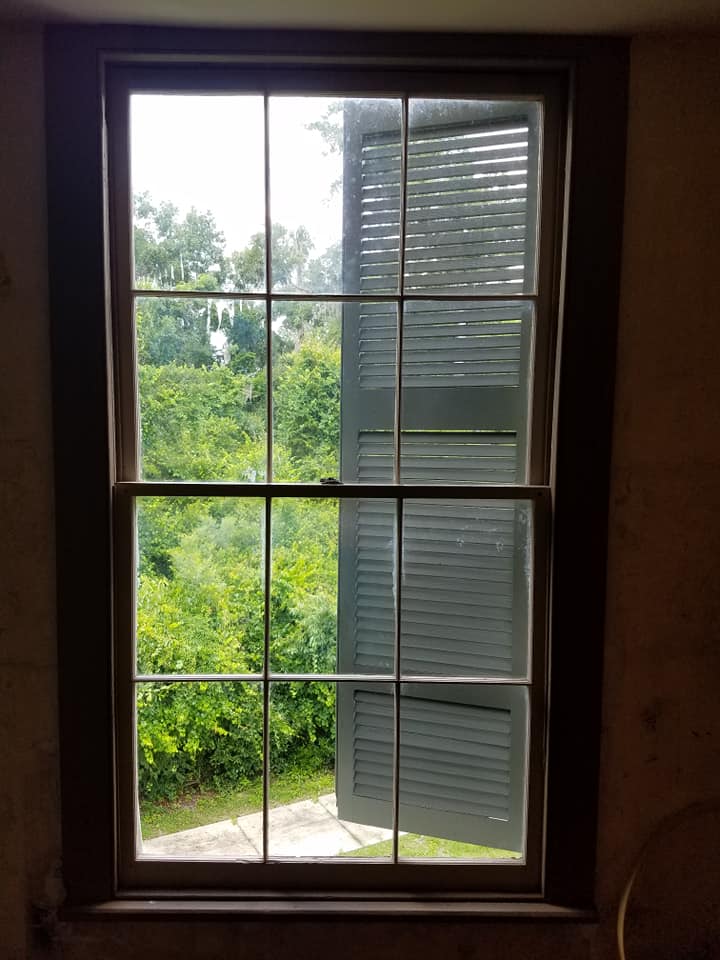
But some of the notes describe the brutal conditions here in this Florida jungle.
One grim entry tells about the day of October 8, 1881, when family members caught three rats in the smokehouse and 20 more in the house. Some were in the baby’s crib.
Another tells of disastrous news for the farm that gave the Haile family their livelihood. In January 1886, freezing cold and hurricane winds tore through the area and killed all the orange trees.
These are some of the stories told at Haile Homestead by its talking walls. They tell a vivid story of what life was like in distant lonely stretches of Old Florida.
 Robert Craig Waters