







Imagine the scene: A man, his wife, and four children arrive in Central Florida in 1854 to hack a 1,500 acre cotton plantation out of the subtropical wilderness.
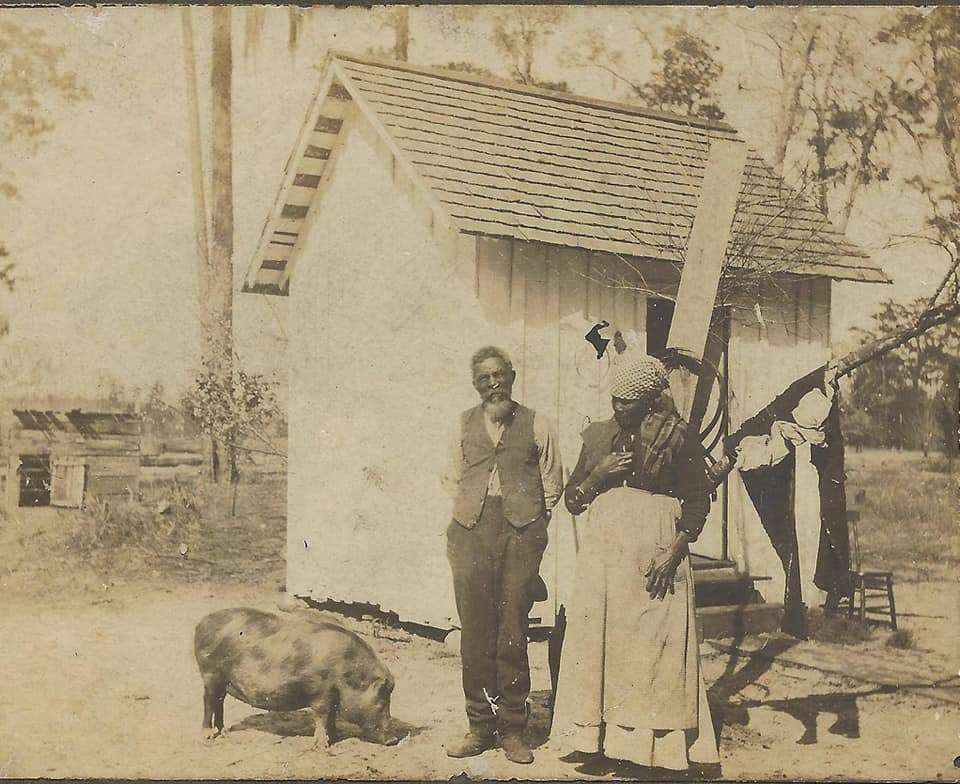
How can they possibly do it with such a small family? — Only with the help of nearly 60 enslaved men, women, and children they forced to relocate with them from South Carolina.
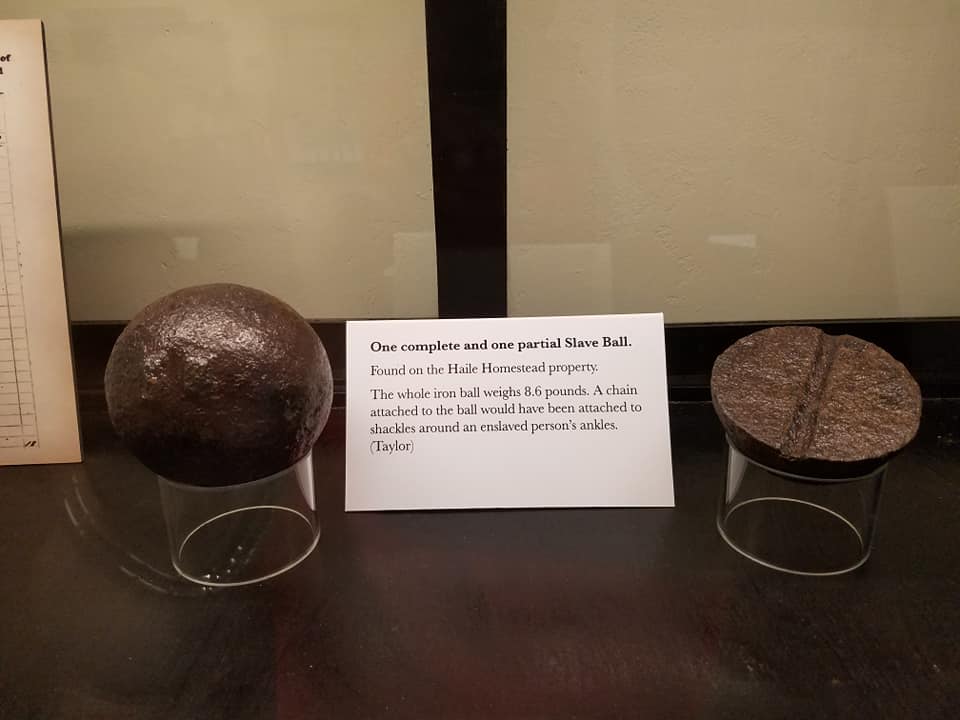
A single image sums up their story better than most. — Heavy iron balls they once chained to the legs of these slaves to keep them from fleeing into the surrounding forest when not tended.
A ball and chain is an image of fear. — Fear for the slave chained like a dog. Yes, of course. Everyone can understand that.
But also fear for the master and his family. — Fear over what their slaves might do. They must live every single day knowing they sit on a powder keg of inhumanity and injustice symbolized by the ball and chain.
And they know this inhumanity and injustice could cost them everything, including their farm and their lives, if their slaves rebelled and broke through the chains.
There is fear on both sides of the equation.
My stomach churns as I imagine living that way.
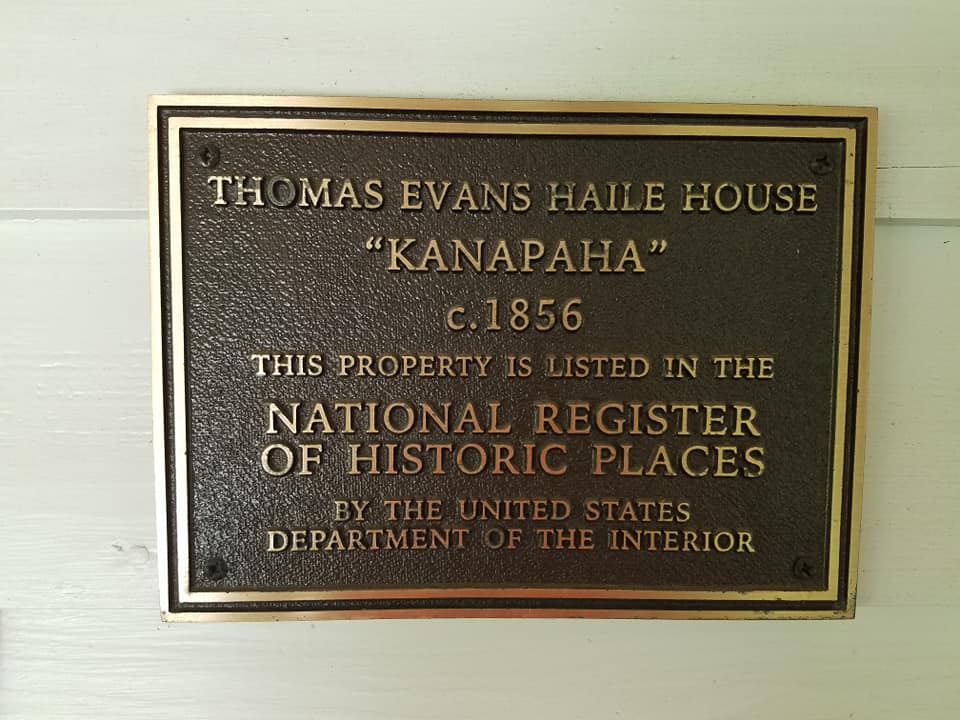
This was the life that Thomas Evans Haile and his wife Serena Chesnut Haile carved out of the vine-covered jungle that once surrounded present-day Gainesville, Florida. They named their new farm Kanapaha Plantation in 1854 using a word from an old Native American tongue.
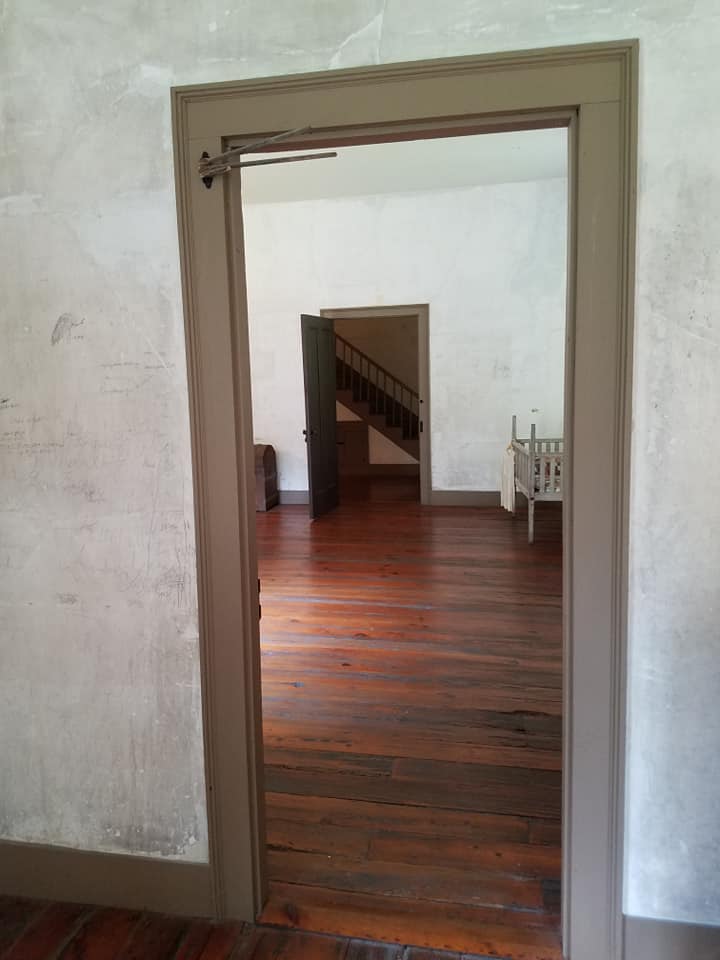
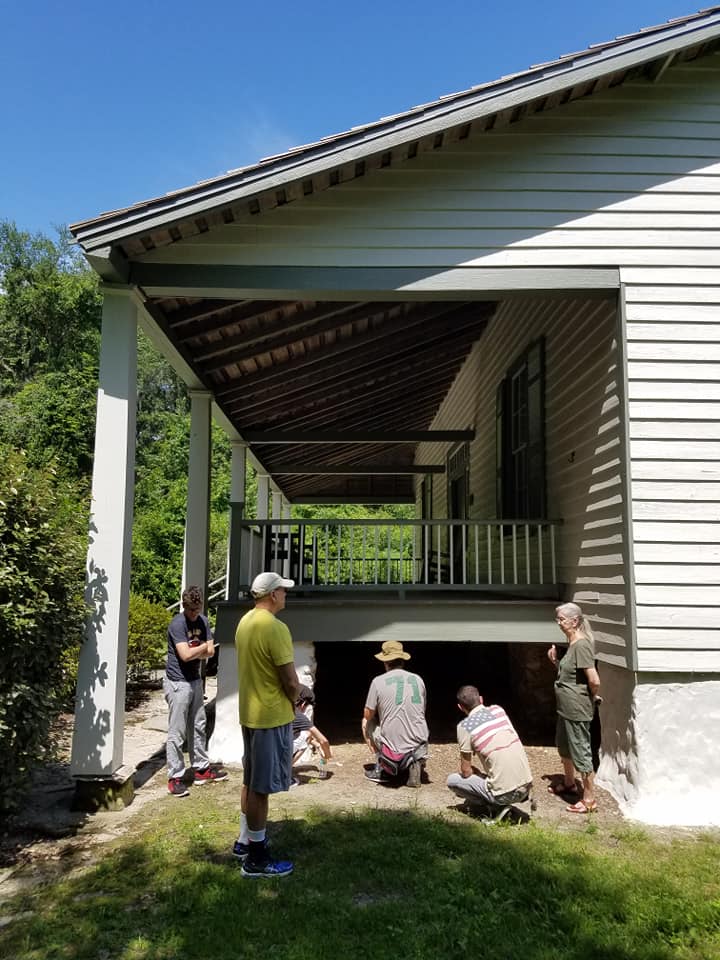
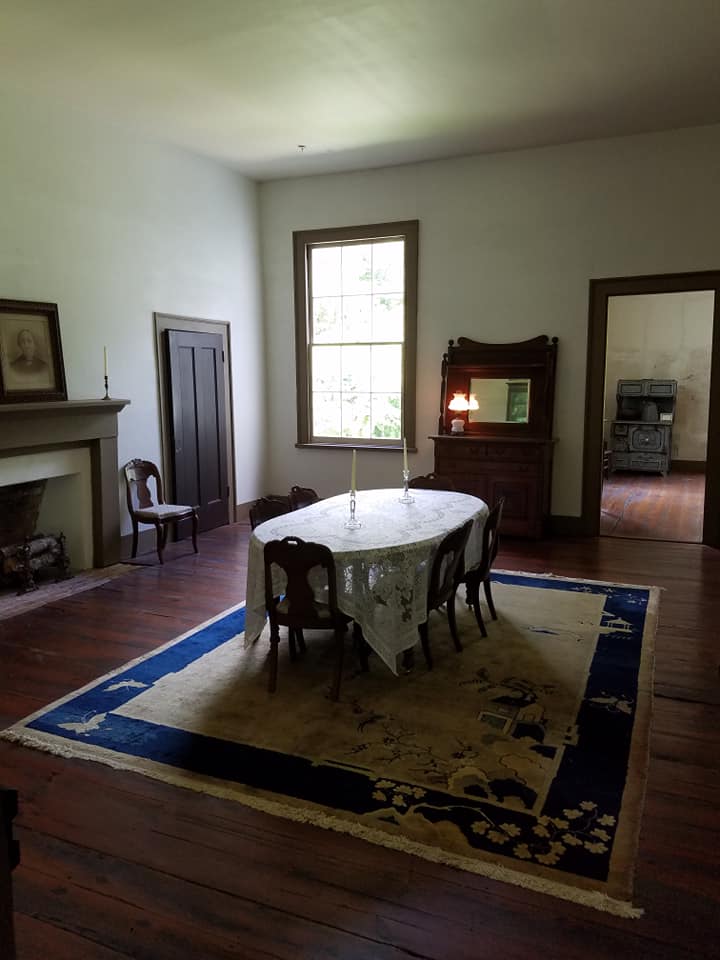
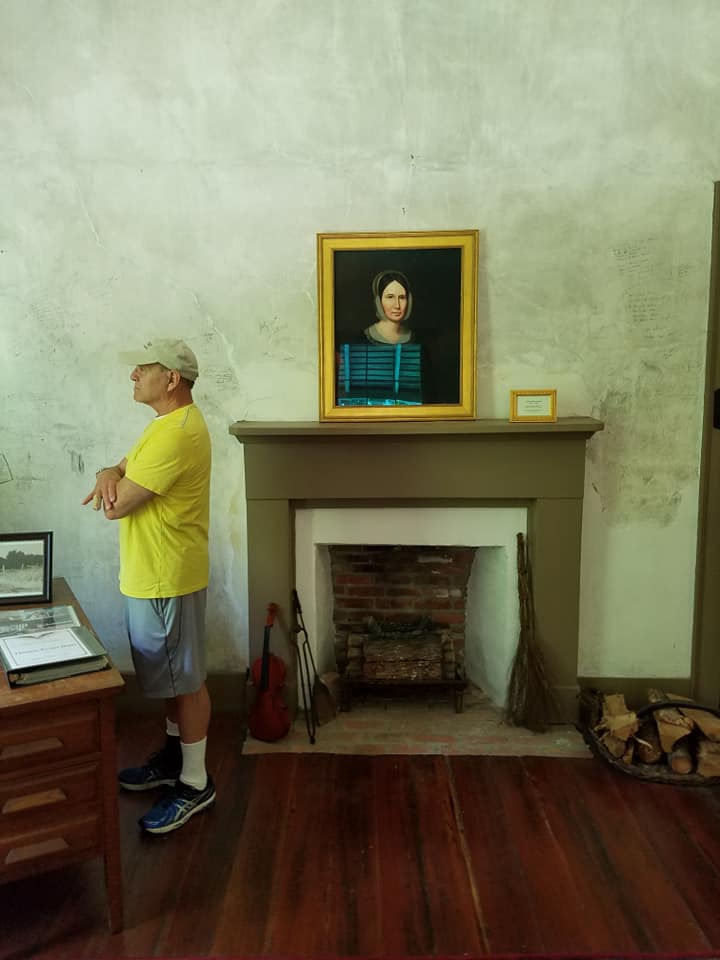
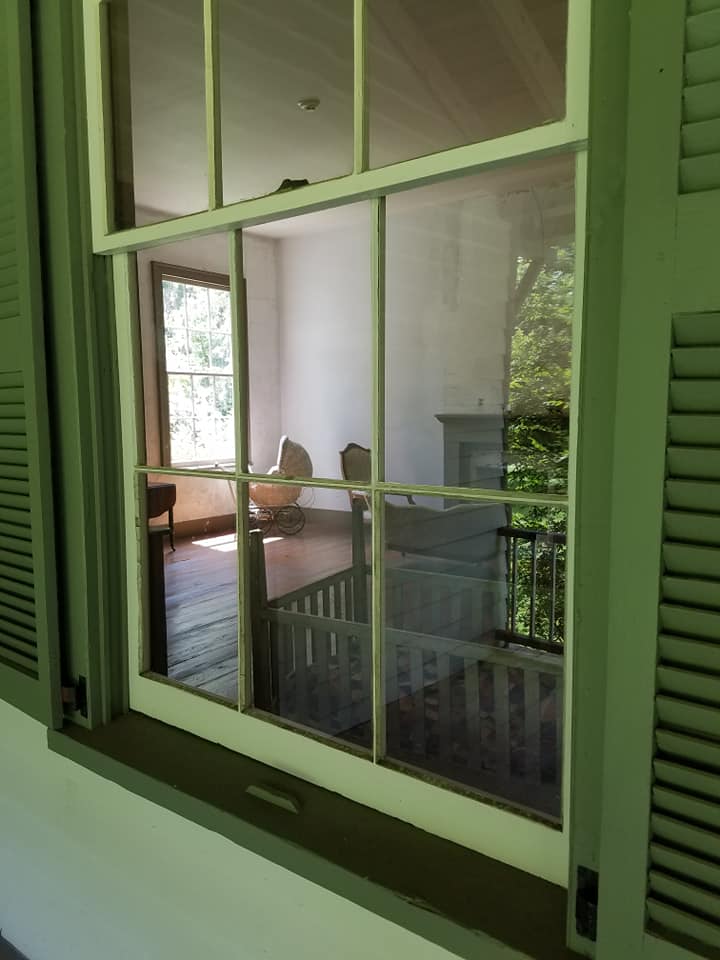
The difficulty of the life they lived in pioneer Florida still is obvious. You can see it in the solid but spartan house their skilled slaves built for them here in a landscape riddled with sinkholes and overrun by alligators.
Haile Homestead is large at 6,200 square feet. But it is simple and functional in style, with none of the luxuries found in Southern plantation homes in Louisiana and Mississippi.
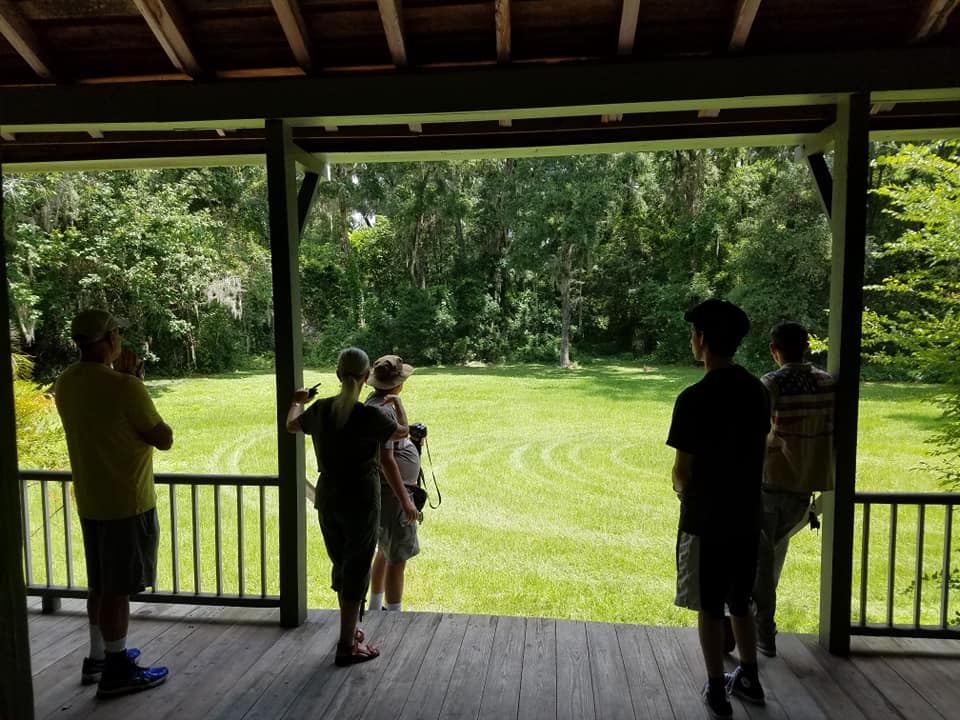
Standing on the house’s wide rain porch leaves every visitor imagining day-to-day life here in this sweltering climate. This was a place where rattlesnakes were so common that the yard was stripped of all vegetation and spread with raked sand to better spot them.
It must have been a burdensome life. And that burden could only have been worse because of the basic injustice on which it was built. — Slavery.
Those were the thoughts that flashed through my mind today as I looked at the two iron slave balls found buried here in this same plantation yard just outside modern Gainesville.
 Robert Craig Waters