

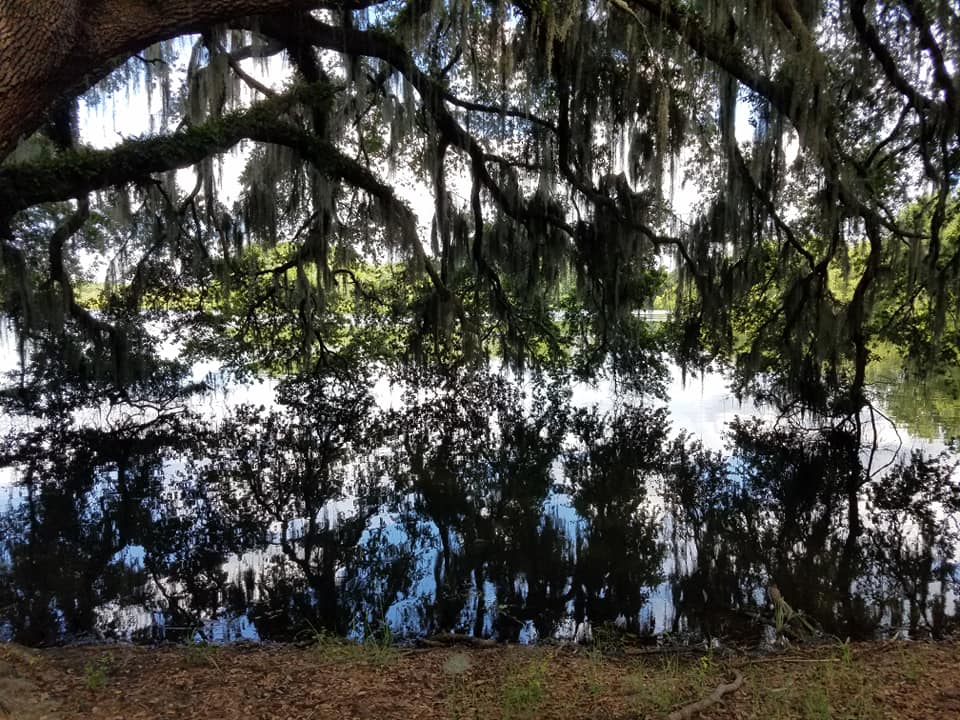
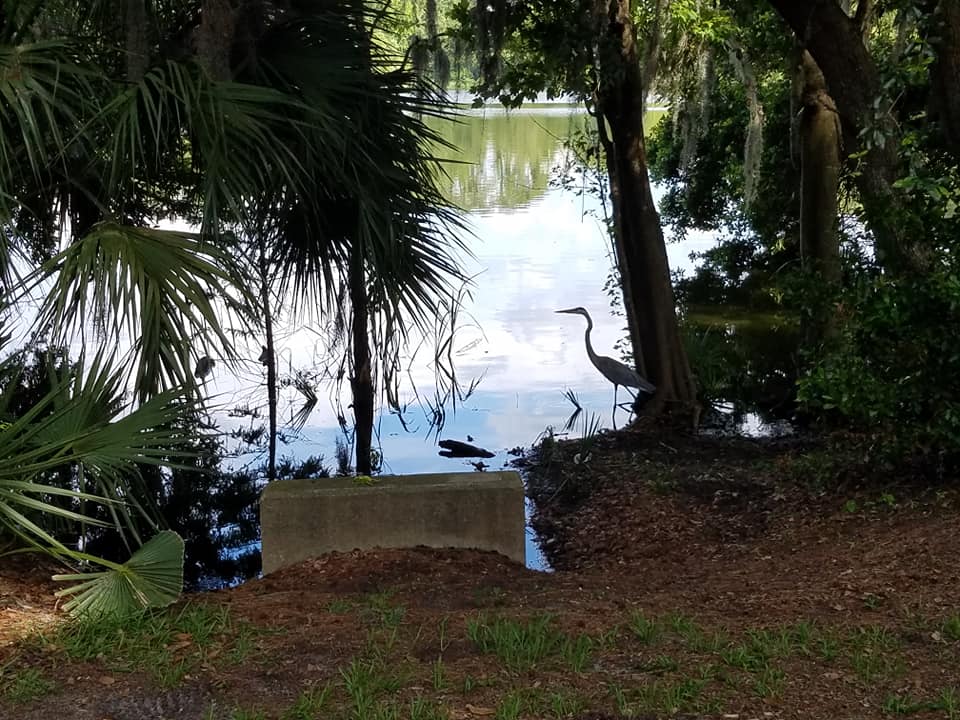
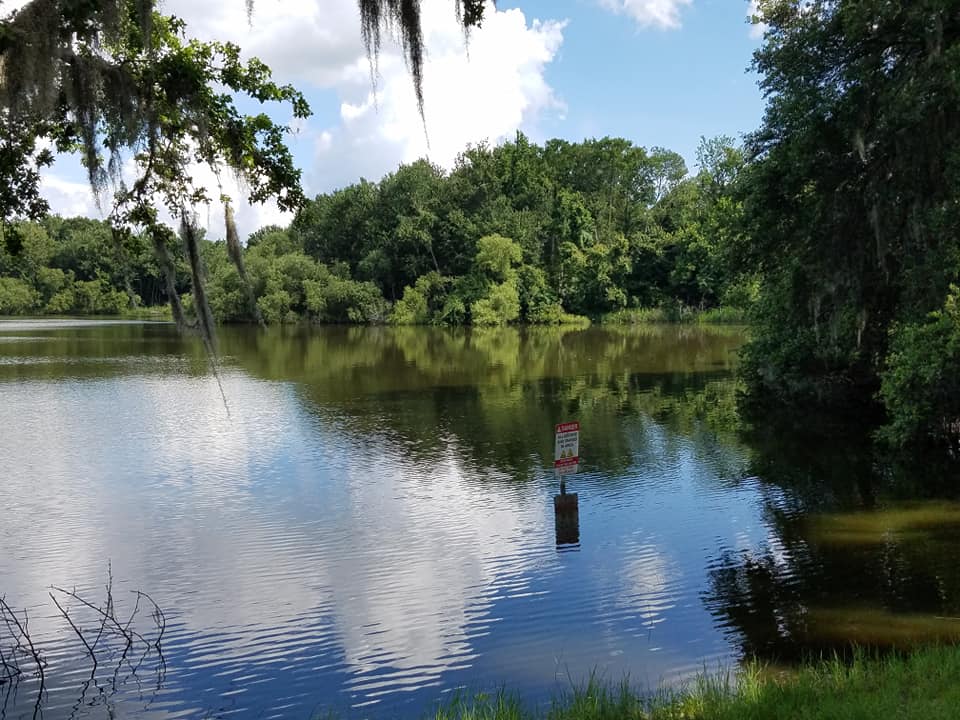
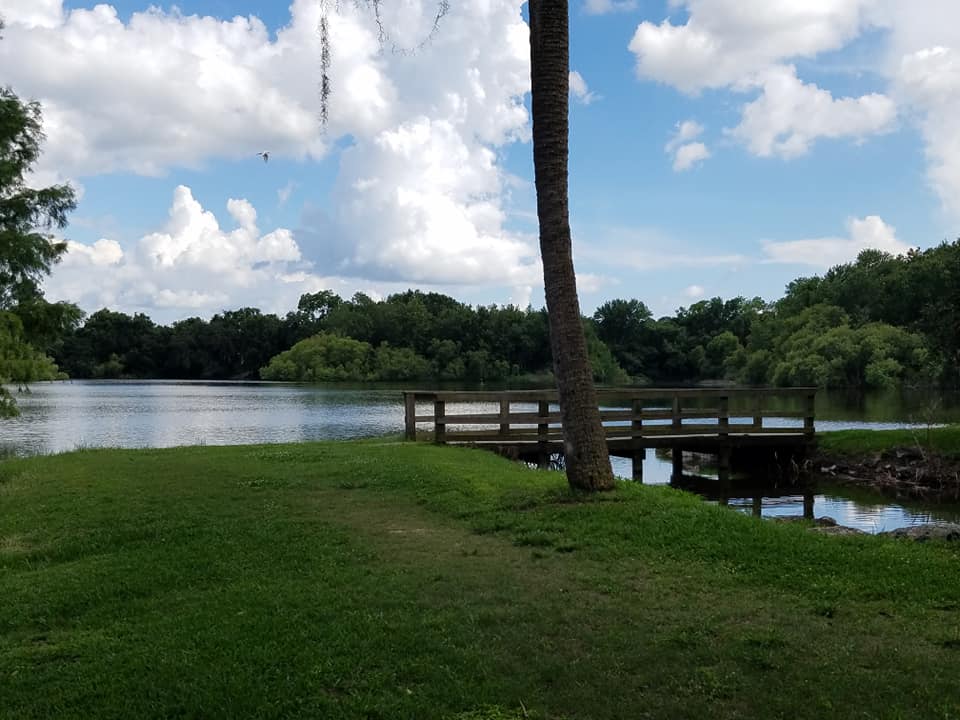


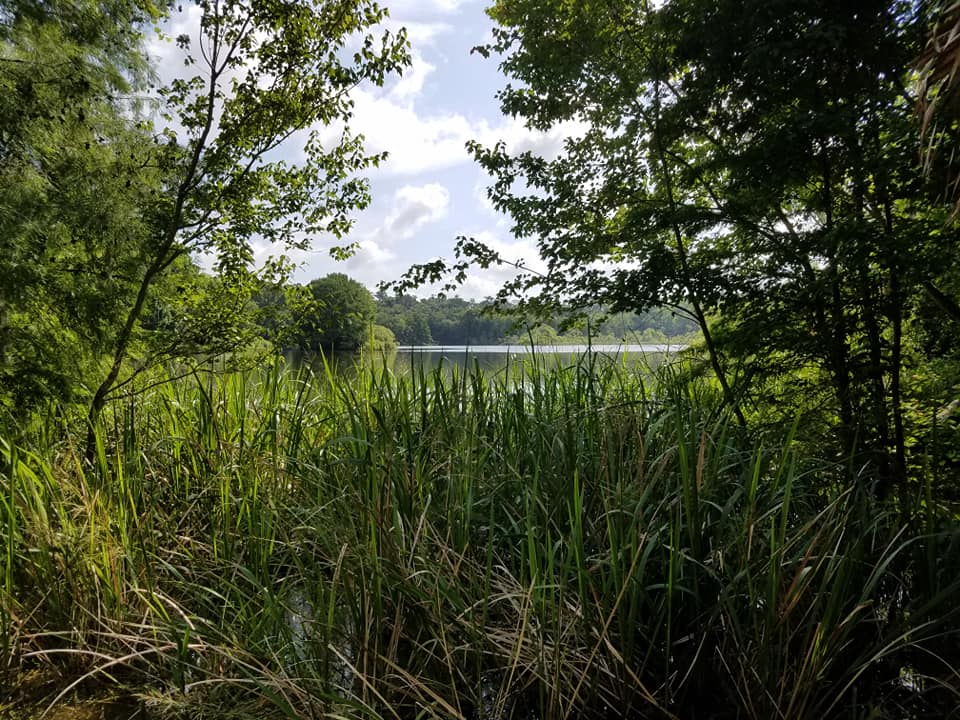

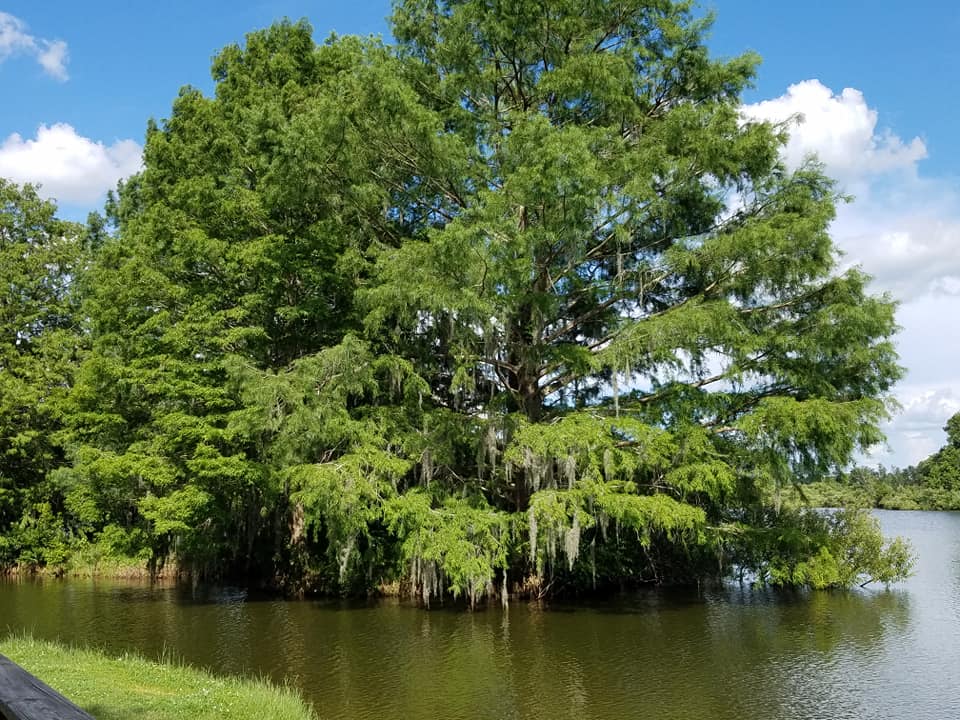
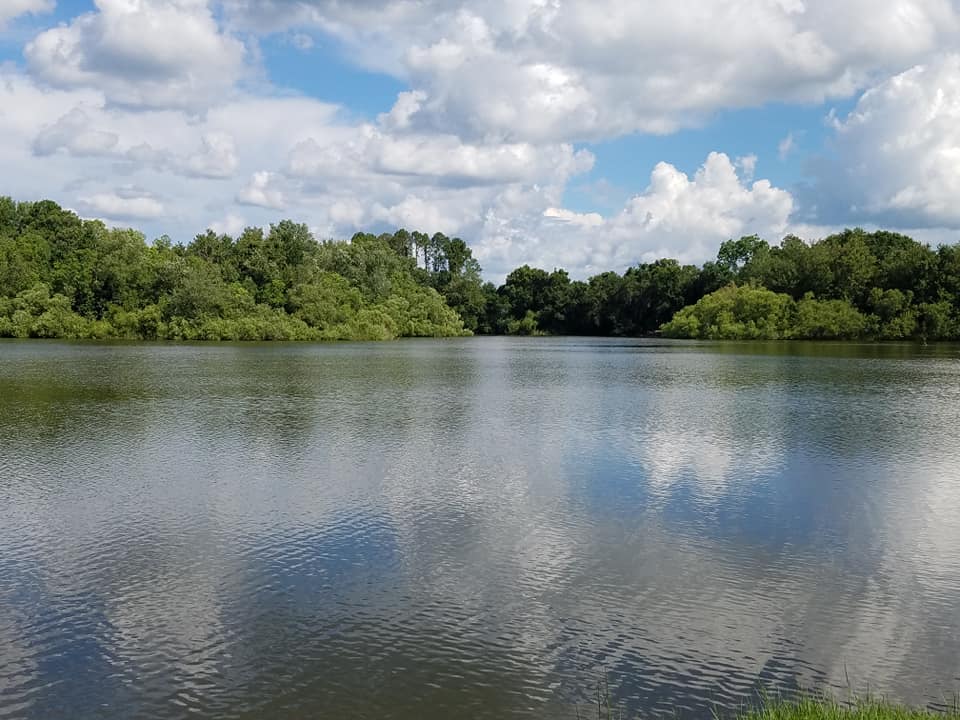

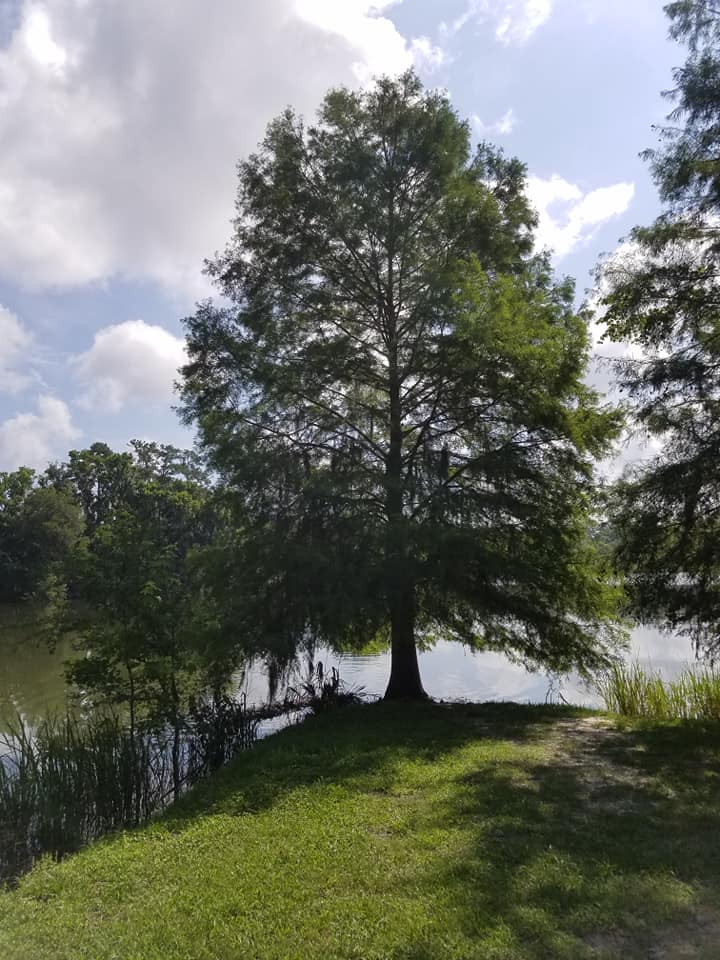
No one knows how Lake Alice got its name. The name appears on historical maps for the City of Gainesville in the 1890s, replacing the earlier title off Jonah’s Pond.
Today the lake is the ecological beating heart at the center of the University of Florida. Alligators often sun on its shores as wading birds keep an eye out for a quick meal swimming past. At nightfall, tens of thousands of bats fly out from the nearby bat houses, gobbling mosquitoes in mid-flight.
Students jog along the sidewalks that line its edges while auto traffic slows to let them past. At letting-off time, traffic heading home from the University can clog the roads, especially when the occasional alligator wanders near the roadway and frightens drivers into a detour.
It is hard to realize when walking on the edge of the lake that you are not lost in the jungle that Florida once was. Then suddenly, in the distance you see tall buildings above the trees topped with the town’s ubiquitous orange and blue Gator logos.
We are fortunate to still have Lake Alice in more or less her natural state today. University presidents once dreamed of filling and building, and even of spanning her waters with a bridge to add a few seconds of time to the car flow at rush hour.
If you visit Gainesville, you must visit Miss Alice. And when you pay your respects, imagine what Florida once was like when no one lived here. — No one except her.
 Robert Craig Waters