


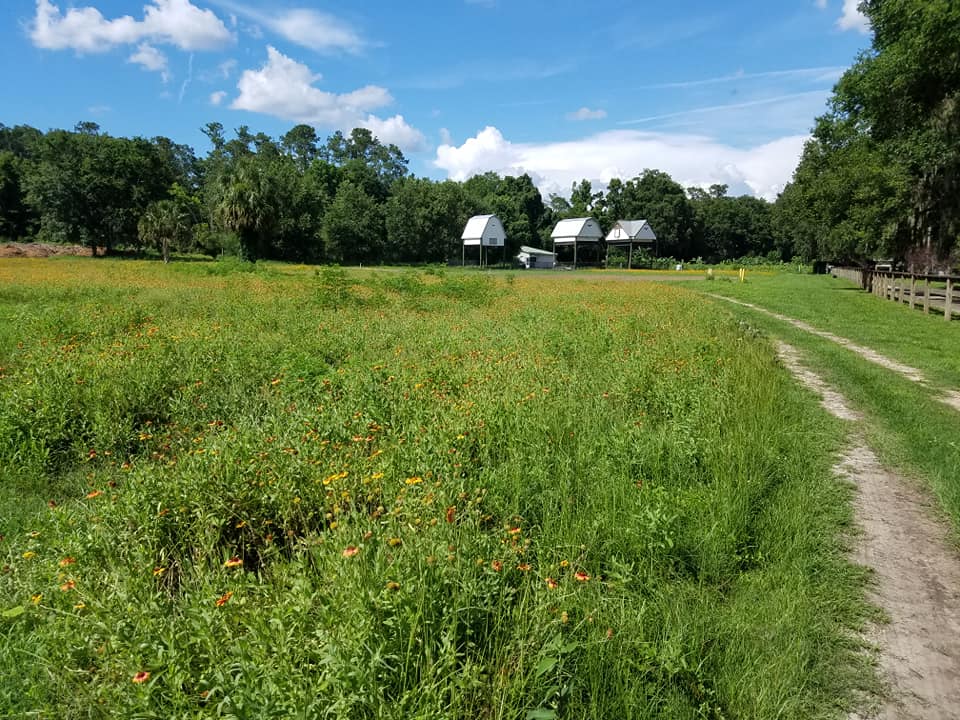
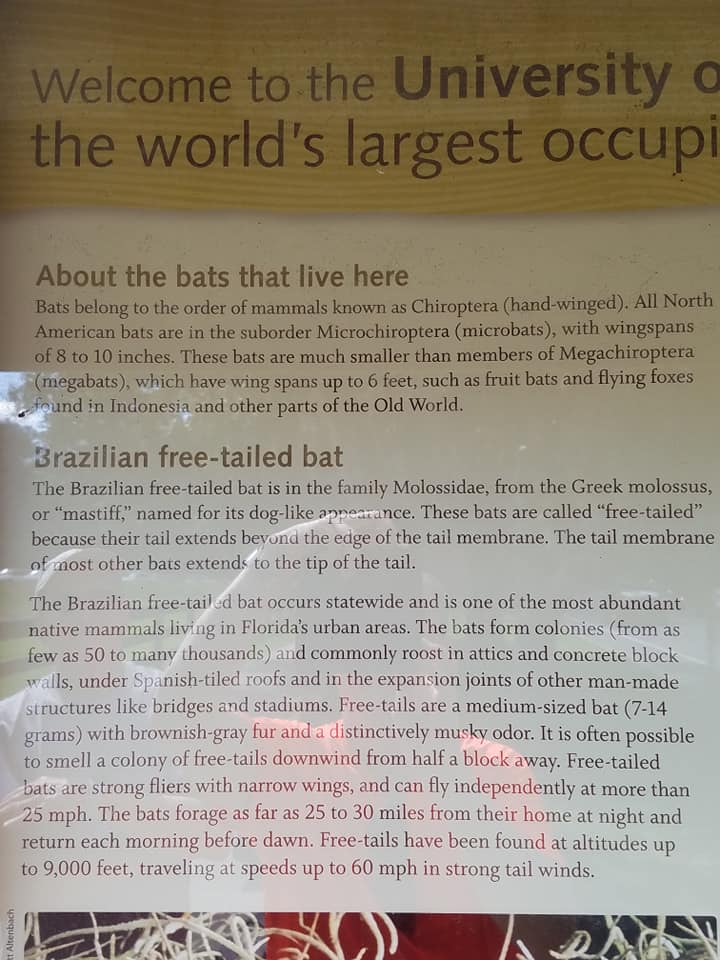
There is no other way to say it. In the Florida heat, bat guano stinks. And not just any stink.
No, it is a nose-twisting gut-churning stink that merges the worst qualities of a chicken yard with those of a pigsty and a cow pen. And throw in a sewage treatment plant while you’re at it
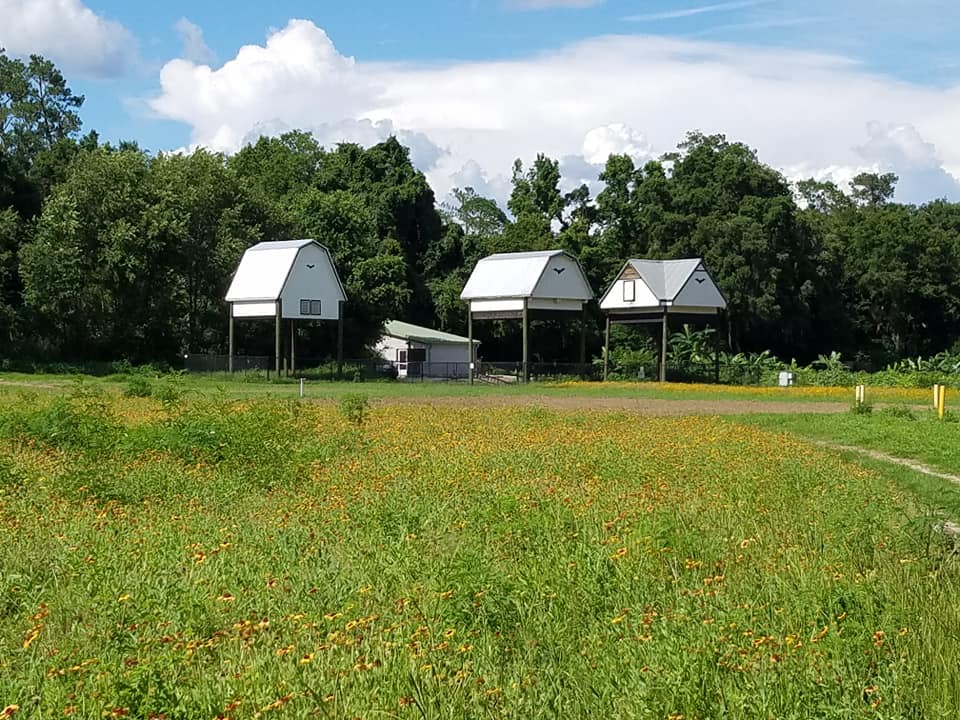
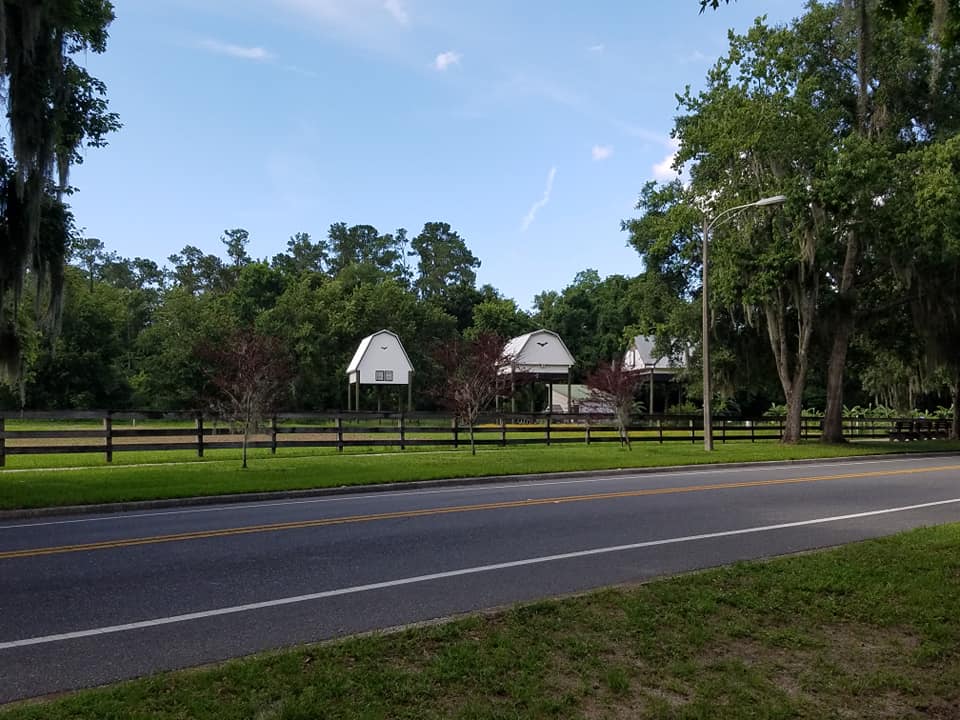
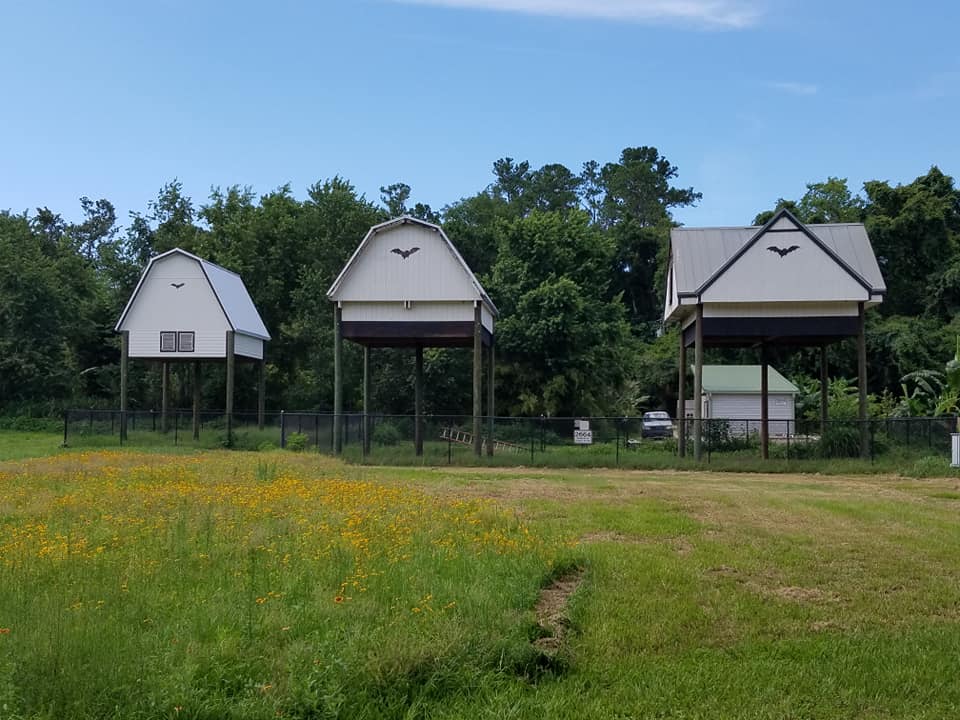
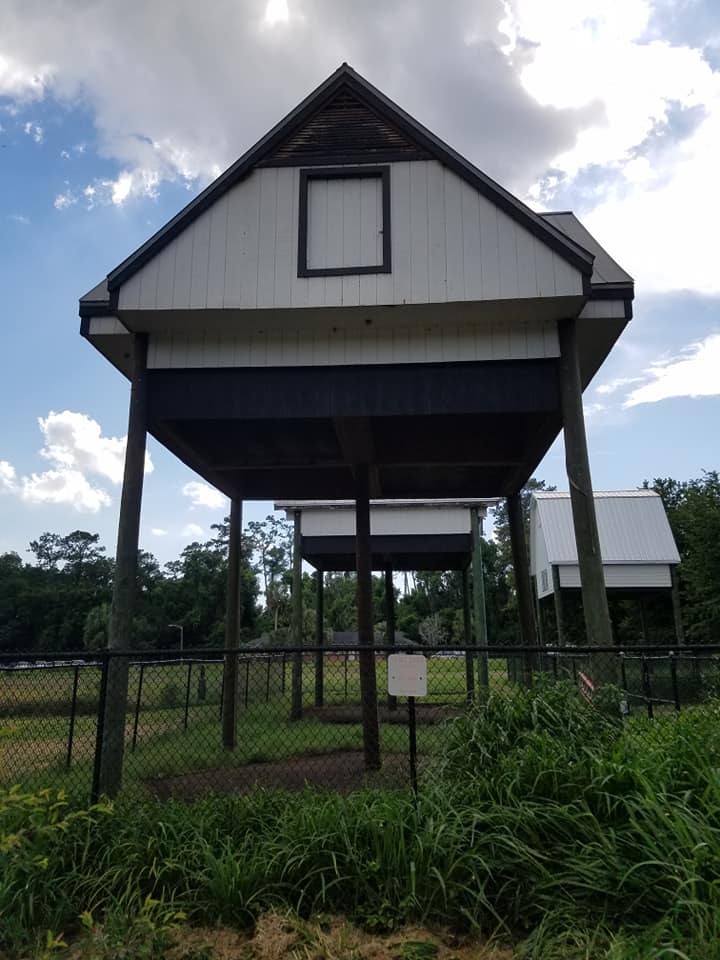
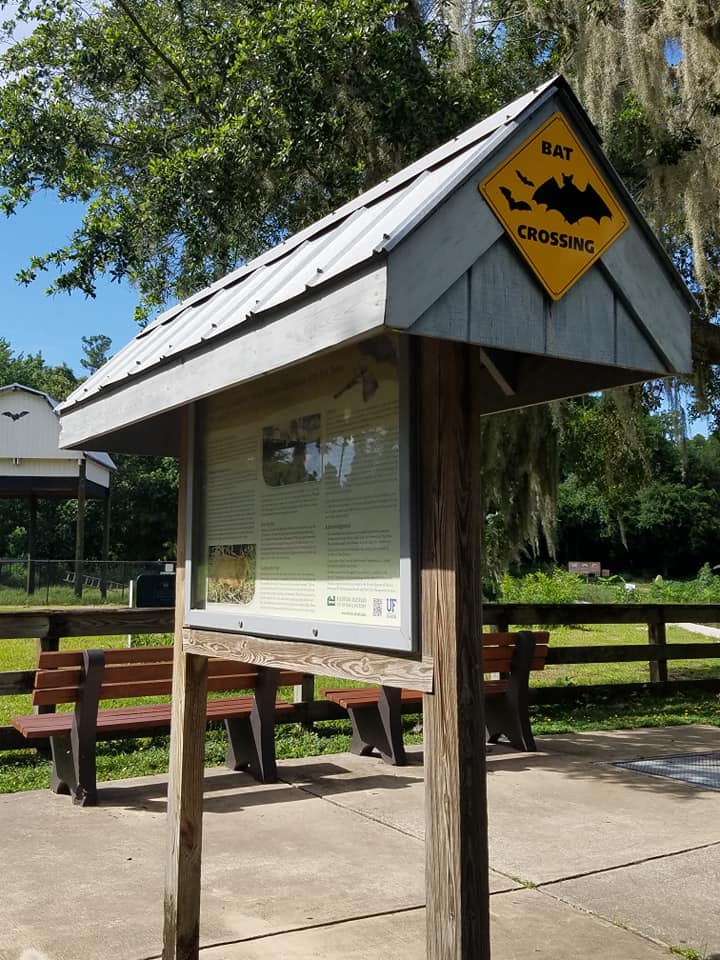
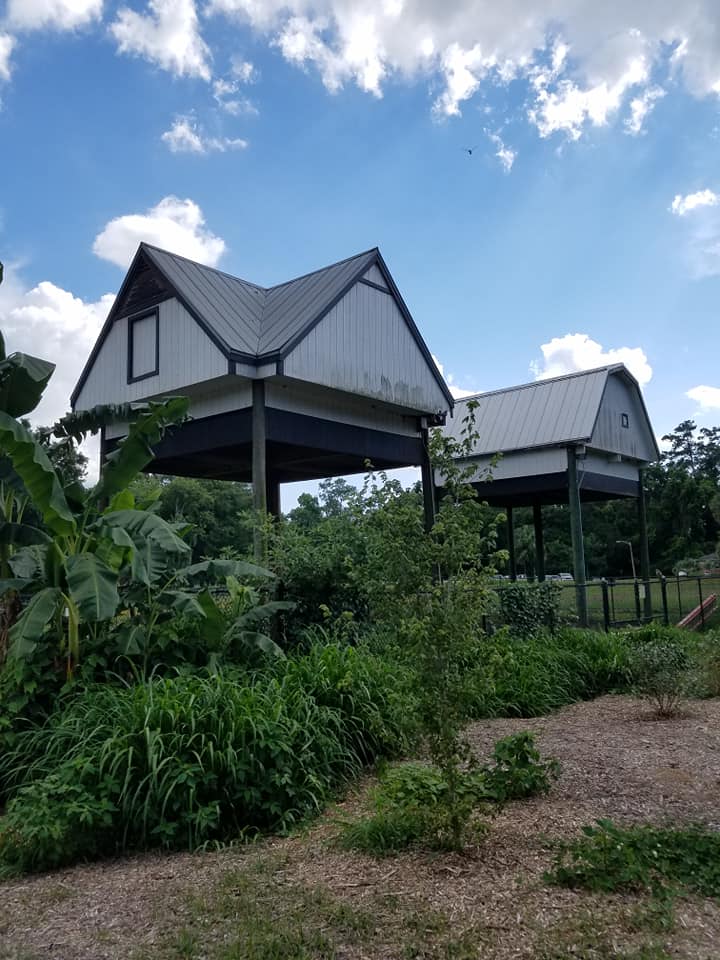
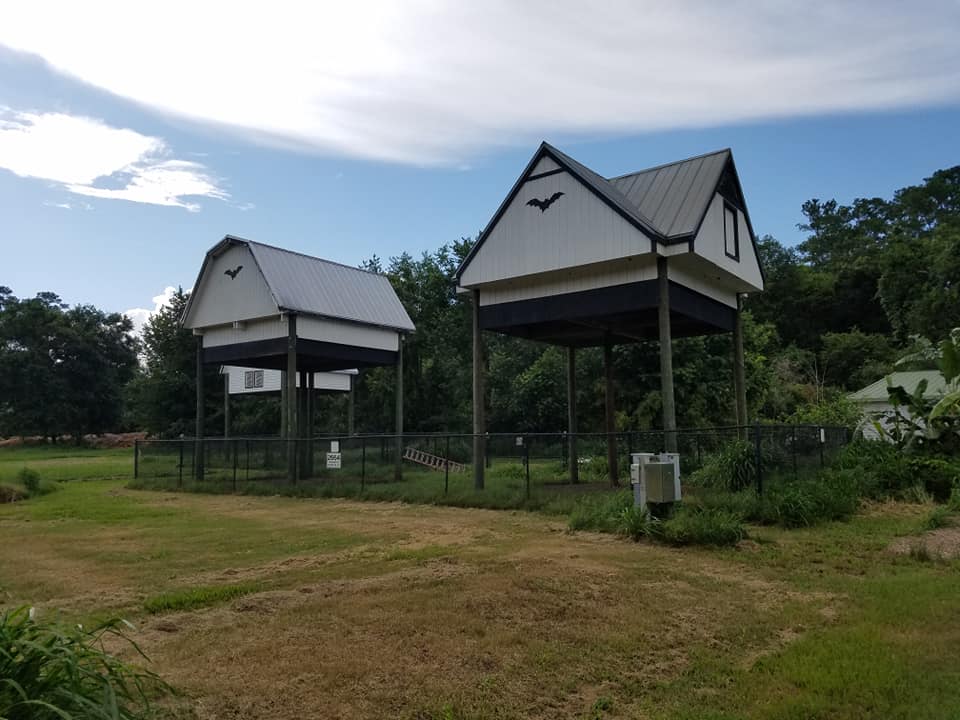
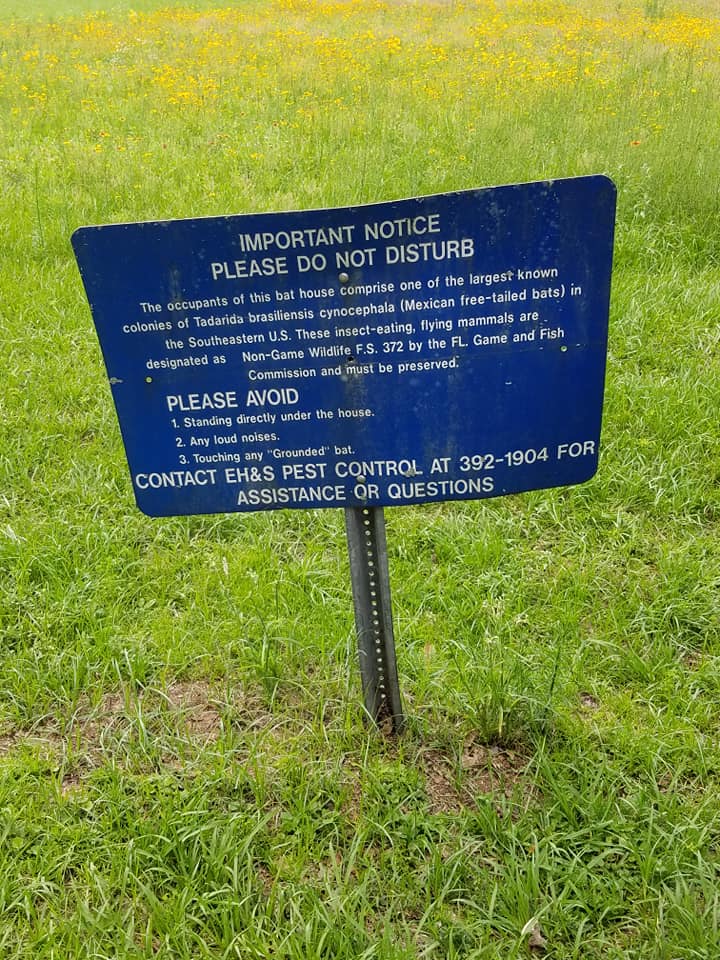
Don’t believe me? — Just check out the official University of Florida Bat Houses on Lake Alice.
No, I am not kidding. Bat Houses. Capitalize those two words.
You see, the smelly bats here in Gainesville have university housing — in what may in fact be the world’s biggest bat dormitory. — Holding some 400,000 bats.
How exactly did the University get into the bat business? Ah, therein lies a tale.
And it’s a story of stink
The wily bats of Gatortown won their ticket to perpetual free housing precisely because, well, they reek.
According to local accounts, the story began in 1987 when fire destroyed an old college building that a colony of Brazilian free-tailed bats had occupied without being noticed.
Now suddenly homeless, the bats decided to move some place much less incognito. — Ben Hill Griffin Stadium. — Also known as the Center of the Entire Friggin’ Universe here in football-loving Gator country.
Stink and football are not exactly strangers. Just check out the men’s locker room here before staff comes to hose it down after a game.
But bat funk carries the world of yuck to a magnitude previously uncharted even in these parts. So, Gainesville’s beloved football stadium affectionately known here as the Swamp began to smell like, well, bat dung.
Everyone at the games complained. And they complained even more as the lusty bat colony started to grow and flourish inside the bounteous space of the stadium.
The last straw came when Florida’s governor visited the Swamp and went back to the state capitol smelling like, well, you know. — Bat crap.
University officials then came upon the ingenious idea of luring the malodorous critters into a nice new house built just for them at Lake Alice. Simultaneously workers slapped “bat excluders” on the stadium.
And voila! No more bats in the bleachers.
But alas, no good deed goes unpunished. Gainesville’s bats are so happy with their new digs that they have multiplied feverishly into a sprawling bat metropolis. — One so large that urban renewal now has become a real concern.
In recent years the University has been obliged to build even more bat houses to keep the nearby stadium and an untold number of local belfries free of bat droppings.
But there is an upside to the story.
The flight of bats from these houses at nightfall has become an event that draws crowds to watch them stream into the sky. The hungry bats also eat an estimated two tons of mosquitoes and other insects every evening, sparing humans a ridiculous number of bug bites.
But Gainesville locals are quick to warn you if you’re standing at Lake Alice at dusk to see the bats. — Watch out! You may get divebombed by a guano-laden bat chasing a skeeter that’s aiming for your jugular.
And then, splat! — You’ll go home smelling like, well, a Florida governor.
 Robert Craig Waters