



William Faulkner’s rambling prose was a challenge when I was in school. But I knew from my own life experience as a Southern child what he meant in his most sparingly short quotation.
“The past is never dead,” he wrote in Requiem for a Nun. “It’s not even past.”
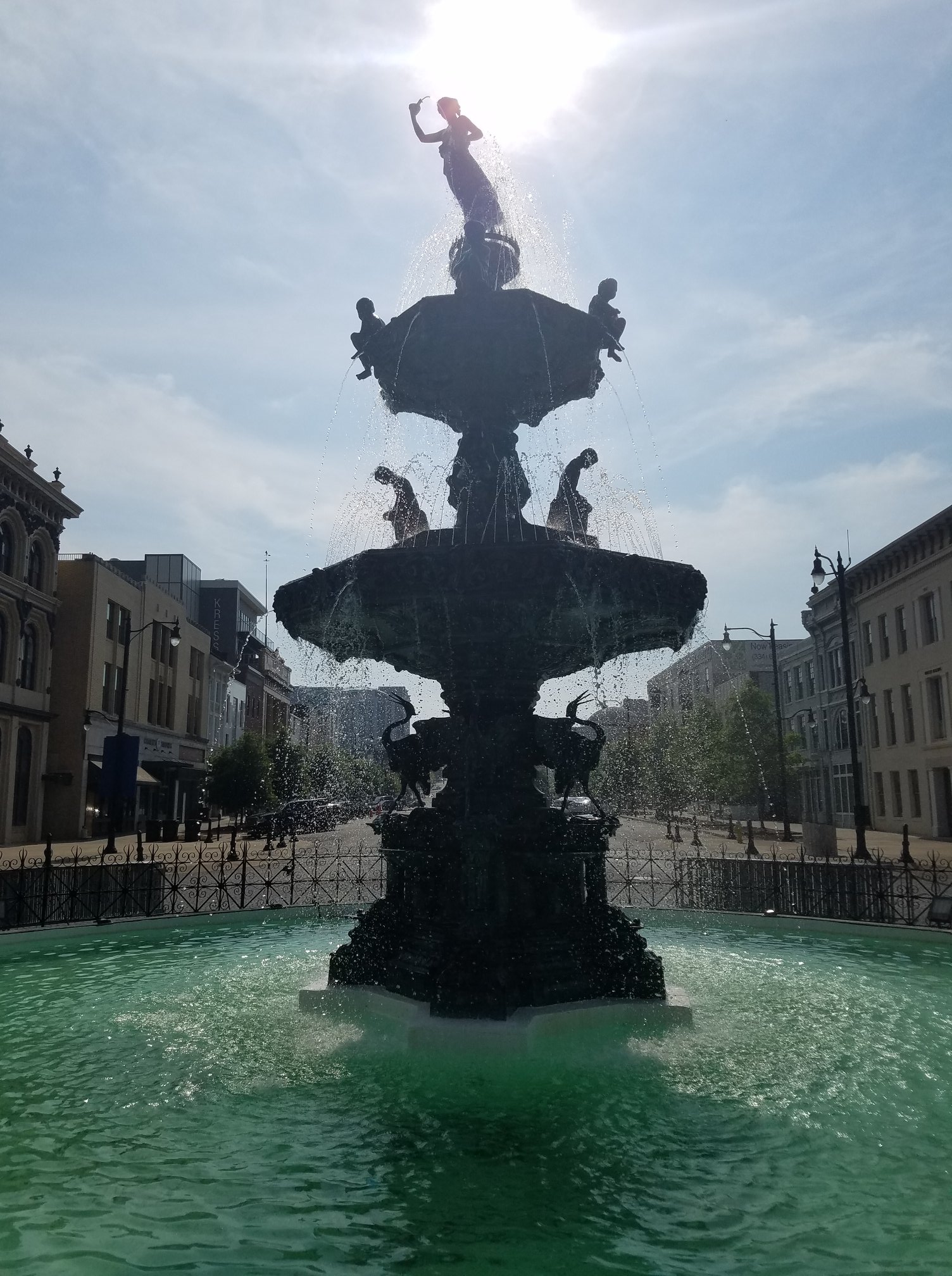
Seeing the Winter Building at Court Square Fountain this past weekend in Montgomery brought his point home yet again. Here was the place where Confederate Secretary of War L.P. Walker sent the telegram on April 11, 1861, ordering the bombardment of Fort Sumter in Charleston Harbor.
So started the Civil War, costing 620,000 American lives and destroying the South along with slavery.
The consequences of that telegram continue to this day, as they did in Faulkner’s time. Looking around Montgomery, you still see many remnants of slavery and the Jim Crow version of the South that followed it.
But their presence itself is notable. It is a stark change from the Montgomery I knew as a child, where all such things were hidden from view whenever possible and never discussed with strangers.
Today, historical markers note locations of slave depots and the city’s infamous slave market. Both once were located here near the Winter Building at the old Fountain sitting just downhill from a statue of Jefferson Davis still gazing out from the whitewashed capitol.
There was plenty of evidence when Jim and I visited last weekend that Southern thralldom to its past is starting to break, at least here in Montgomery. New museums introduce visitors to the somber story of lynchings and the horrors of small children sold away from their own parents on the auction block.
Commerce Street, where shackled slaves once marched up from riverboats to the market, now sports honest historical markers. The city has abandoned the Gone-with-the-Wind version of its history in favor of a forthright acknowledgment of what truly happened here.
That is a huge change for the Heart of Dixie. On the whole, the city seems committed now to move away from the backward-looking world that Faulkner described in his many stories.
It also is obvious that much effort remains. But the oppressive presence of the Southern past seems inclined now to give way to a more inclusive future than Faulkner was able to imagine, even in his fiction.
 Robert Craig Waters